
 LinkedIn
 Facebook
 X.com
X.com
 WeChat
 Email
Email
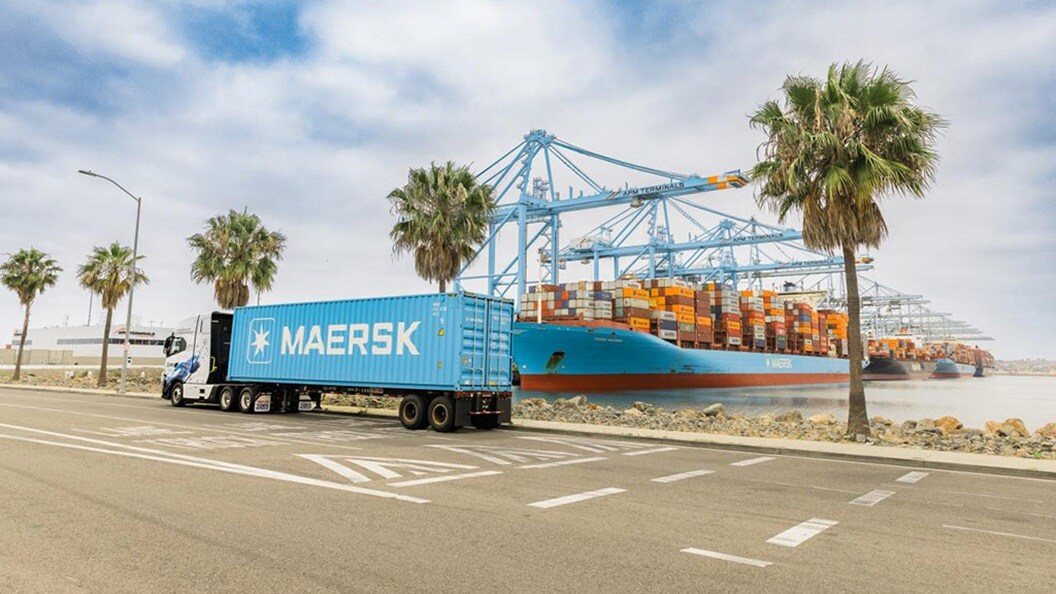
To receive the Maersk North America Market Update in your inbox, sign up for our logistics newsletter here and update your preferences when prompted via email.
Ocean Update
Transatlantic update: European import demand into North America continues to hold up, please book at least three weeks ahead to secure space or consider our SPOT product to secure your space online. We're experiencing bottlenecks in select services due to draft restrictions in Salerno, while on the landside we have some truck power constraints in the Netherlands. Capacity is opening up on our North Europe and Mediterranean trades into the U.S., though northern European ports are still recovering from a recent labor disruption and space into the U.S. Gulf and West Coasts remain tight.
On our Europe to Canada trade, capacity varies by specific routes/destination due to, for instance, low water in rivers or connected services so please liaise with your Maersk representative about the most suitable/available routing options.
Transpacific update: Transpacific imports remain strong despite the typhoon season across Asia which has built up shipment backlogs and likely will take several weeks to clear. A resilient retail peak season plus rising demand for AI data center and power generation equipment is driving elevated volumes. Gemini Cooperation's schedule reliability came in at 95.7% into the North America West Coast and 93.5% into the North America East Coast in the latest Sea-Intelligence report, well above industry averages of 69.7% and 71.5%. Gemini has scheduled two Transpacific blank sailings around Golden Week on the TP8 and TP12 services, see our customer advisory for details.
India, Middle East and Africa update: Demand into North America remains strong while capacity stays limited, so book at least six weeks ahead, with space expected to be especially tight through September. Our direct service into Canada is also constrained by low water levels, and our ocean plus inland option via the U.S. remains constrained through the same period. As we previously shared, our MECL service has resumed transiting the Bab al-Mandeb Strait and Suez Canal, cutting transit times by eight days.
Within Africa, West Africa foodstuff and cut flower flows remain steady, East Africa apparel and textile volumes are strong into both U.S. coasts, and South Africa's citrus season is driving strong reefer demand into the U.S. and Canada. Space is tight across the board, so book early, and if you have urgent cargo, talk to your Maersk representative about options to secure priority space.
Intra-Americas: Starting the week of September 7, we're adjusting our Intra West Coast network to offer shorter, more direct routings. A new West Coast Shuttle will connect Manzanillo and Lázaro Cárdenas to Balboa and Posorja. On our WCCA2 service, Corinto is coming out of the rotation while Puerto Quetzal stays in. On WCCA1, Puerto Quetzal is coming out while Corinto and Acajutla are added as northbound and southbound calls. If you route cargo through any of these ports, check with your Maersk representative to confirm how the change affects your routing and transit times.
To receive the latest updates on your cargo, sign up for ETA notifications or check schedules on Maersk.com. For weekly operational updates in our “Weekly Reader,” subscribe to our advisories at Maersk.com/newsletter.
Less than Container Load (LCL) Update
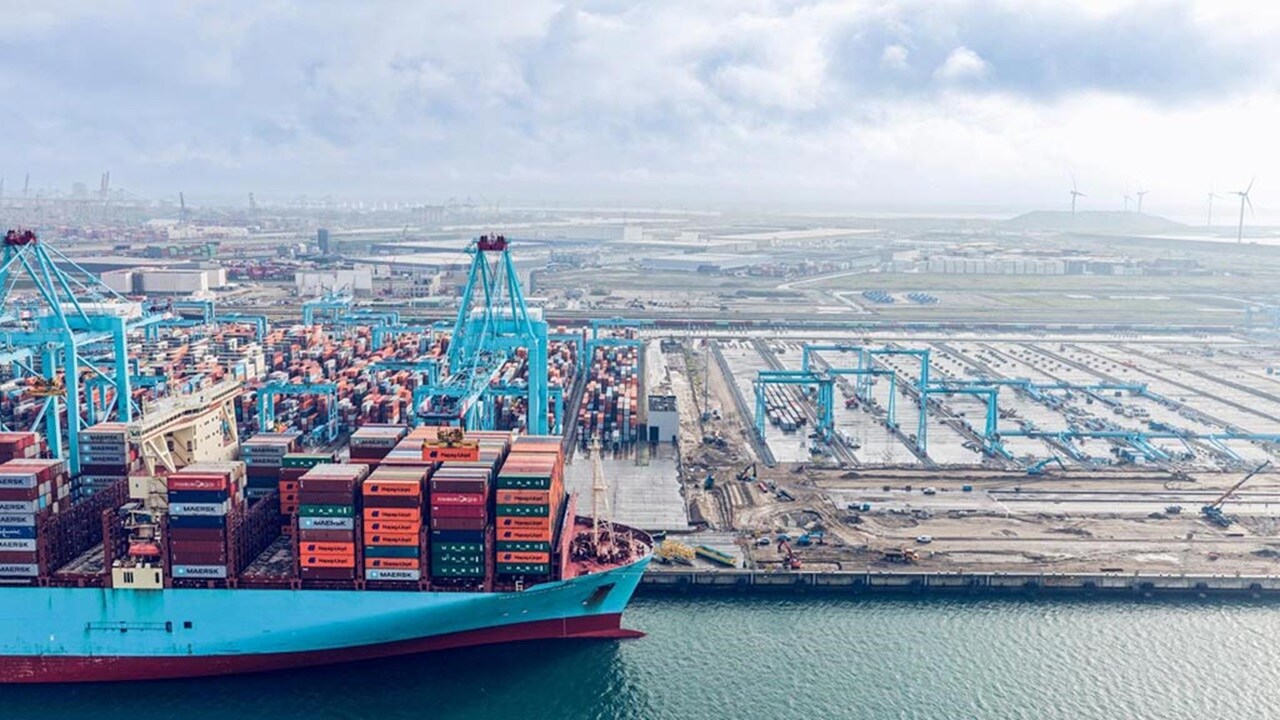
LCL keeps proving useful when full-container space is tight or expensive, letting you ship smaller, more frequent volumes without waiting to fill a container, which protects cash flow and keeps your inventory agile. We continue to grow our consolidation network and expand express container handling and domestic connections, so you can track your freight's status at each step. When goods need to move quickly, LCL also offers a lower-cost alternative to air freight for shipments that don't require air speed. We expect LCL demand to stay strong into the fall, as e-commerce growth and sourcing diversification keep demand for predictable, visible transport high.
Air Freight Update
North America's airfreight market is growing, but capacity is tightening underneath that growth. IATA's July 2026 data shows North America posted the strongest demand growth of any region, up 4.8% year over year, while capacity fell 1.5% and load factors rose to 41.2%. Strong demand for AI infrastructure, semiconductors, electronics, and other time-sensitive technology products is driving much of that pressure at selected origins across Asia, even as capacity stays available on most other international corridors. The security situation tied to the Middle East has eased since earlier this year, but Gulf routings, fuel costs, and airspace conditions still carry the potential for short notice change, particularly for cargo moving from India, the Middle East, and Southeast Asia.
Tariff uncertainty is also shifting when and where companies ship into the United States, Canada, and Mexico. We monitor capacity at the origin and gateway level, work directly with airline partners, and line up alternative carriers, hubs, and routings when direct space runs short; we also help with customs classification, origin validation, and duty-impact assessments before cargo leaves the ground. For your own planning, share forecasts early, book space ahead of time for Asian origins, and keep your routing and gateway options flexible. Confirm customs documentation before shipment, and separate critical cargo from non-critical cargo so you reserve premium airfreight space for shipments where speed actually matters. Demand should stay positive through the rest of the year, though unevenly, with technology cargo continuing to drive North American imports. Watch for added pressure during the Q4 peak and treat Middle East-related developments and tariff policy as the two areas most likely to bring short-notice change.
Customs Update
USA and Canada: New tariffs took effect on a broad range of U.S.-Canada trade in late August 2026, adding to tariffs already in place since 2025 on steel, aluminum, automobiles, copper, and lumber. The U.S. applied a 50% tariff on certain Canadian goods effective August 22, and Canada introduced counter-tariffs of 15%, 25%, and 50% on select U.S.-origin goods, including steel and aluminum, dairy, appliances, agricultural equipment, pulp and paper, plastics, and electronics, effective September 8. Even USMCA-originating goods aren't fully insulated, since tariffs can apply to the non-U.S. content within otherwise qualifying products. For Canadian importers, what matters is whether goods are U.S.-origin and whether their classification falls on the affected list, not simply whether they moved through the U.S. Confirm your HTS classifications and origin documentation now rather than relying on how a product was treated a few months ago, and watch shipments moving around September 8 closely, since qualifying U.S.-origin goods already in transit may get transitional treatment. Our customs team can help verify how these changes apply to your products.
Mexico's role in North American manufacturing keeps expanding as companies reduce reliance on Asia and build production closer to home, particularly in semiconductors, electronics, EVs, medical devices, critical minerals, and other advanced manufacturing. The ongoing USMCA review process is part of that shift, keeping the regulatory relationship between the U.S., Mexico, and Canada in focus as companies plan long-term investment.
Separately, Mexico and the EU signed a trade agreement in May 2026 that will eliminate tariffs on 99% of goods traded between them once fully in force. The EU has completed its side with approval in July, and Mexico's Senate ratification is the one step still outstanding, with Mexican officials pointing to entry into force by the end of 2026. For you, it's worth reassessing your Mexico sourcing and production footprint now, both for the nearshoring opportunity and for new compliance requirements tied to rules of origin and certification. Our trade compliance team can help you understand how these changes apply to your supply chain.
Tariff and trade rules have shifted often this year across all three of these markets, so treat this as an ongoing check-in rather than a one-time review. Our Trade and Tariff Studio uses AI to help with HTS classification, landed-cost modeling, and real-time tariff monitoring across changes like these. Book a demo with our experts to see it in action.
This update reflects our understanding as of September 1; consult your customs advisor for guidance specific to your goods.
Landside Update (Inland, Depot, Warehouse, Ground Freight)
Inland Update (First Mile and Rail)
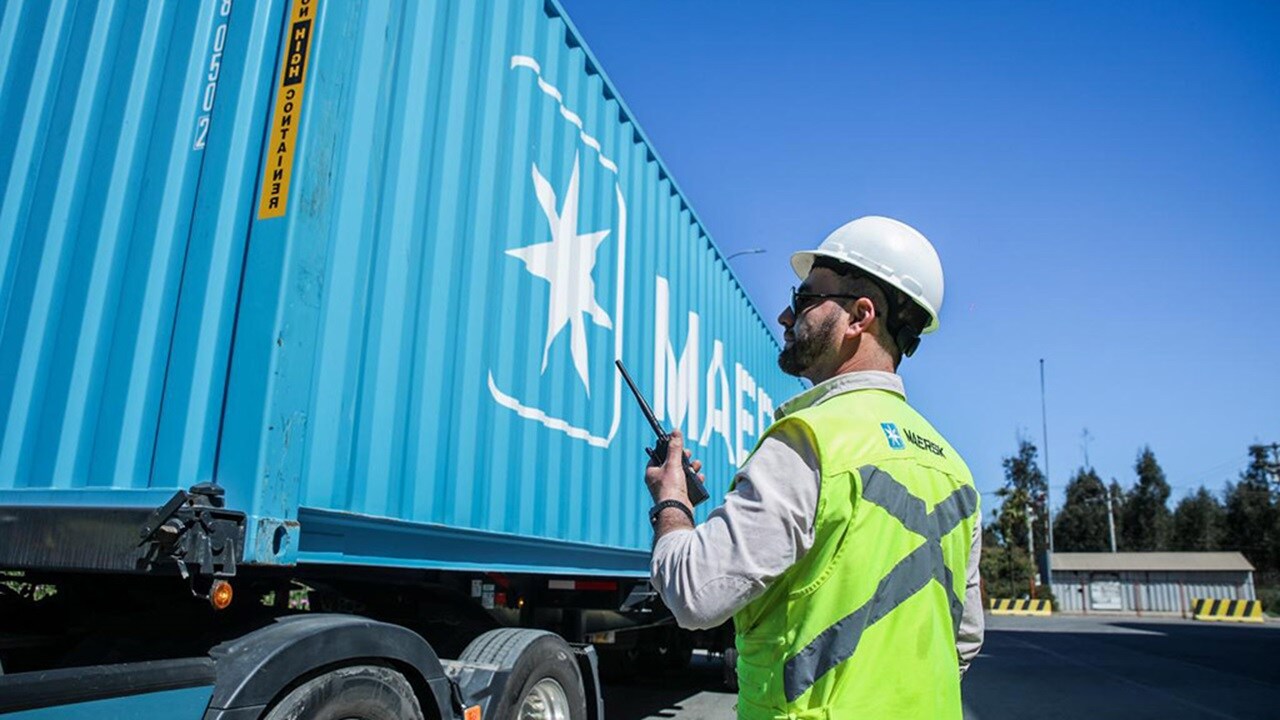
Drayage: The U.S. drayage market is tightening as peak-season volumes move through the ports and gateways. Import frontloading, higher diesel costs, chassis shortages, and fewer available drivers under stricter safety and qualification enforcement are all adding pressure, and that's expected to hold through the rest of peak season. For you, this means prioritizing dependable carrier relationships over lowest-cost options in tighter markets like New York/New Jersey, Southern California, and Florida, sharing accurate volume forecasts so carriers can plan ahead, using container drops instead of live loading to improve truck turns, and shifting suitable long-haul freight to intermodal to free up truck capacity for time-sensitive shipments. Maersk has operated trucking solutions in the U.S. for more than 40 years.
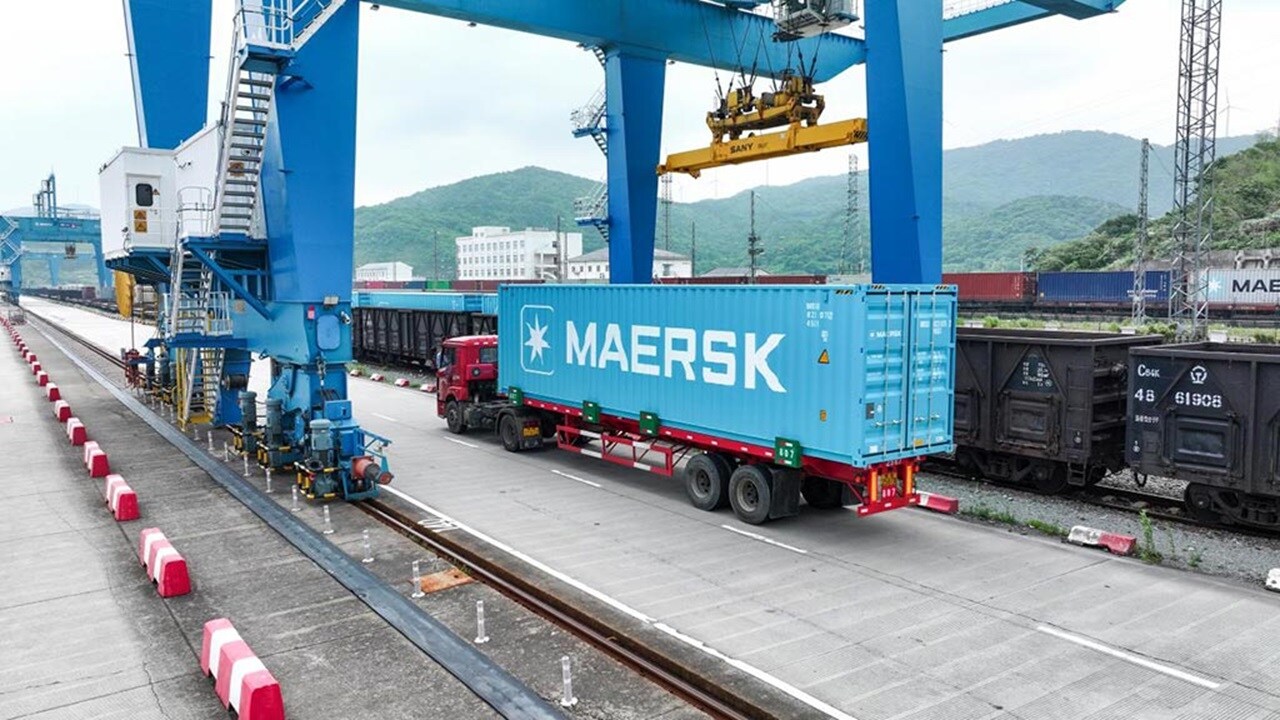
Rail: Rail volumes and capacity remain healthy heading into Q3, and more customers are shifting freight to rail for added flexibility. Import demand stays strong, though railcar supply is tight in select markets. Plan for elevated terminal dwell and congestion in September and early October, especially at inland hubs like Chicago, Atlanta, Fort Worth, and Memphis. Pull cargo from terminals quickly and return empty equipment fast to keep railcars and chassis available when you need them. The broader network remains fluid, and staying coordinated with us on pickups and returns will keep your freight moving through peak season.
Depot Update
The U.S. import market stays active heading into peak season, with continued pressure on ocean capacity, fluctuating rates, and ongoing uncertainty around inventory timing and network flexibility. As we covered in a recent piece, the real question isn't just whether you have enough capacity; it's whether you have enough options when conditions change, when inventory arrives early, demand shifts, or tariffs alter your sourcing plans. Depot strategy is one of the more overlooked tools for building that flexibility: it gives you a place to stage or reposition inventory, prepare equipment, and manage container flow without committing everything to a warehouse or leaving containers sitting in a congested terminal. Read more in our full breakdown of depot strategy for peak season resilience.
Warehousing Update
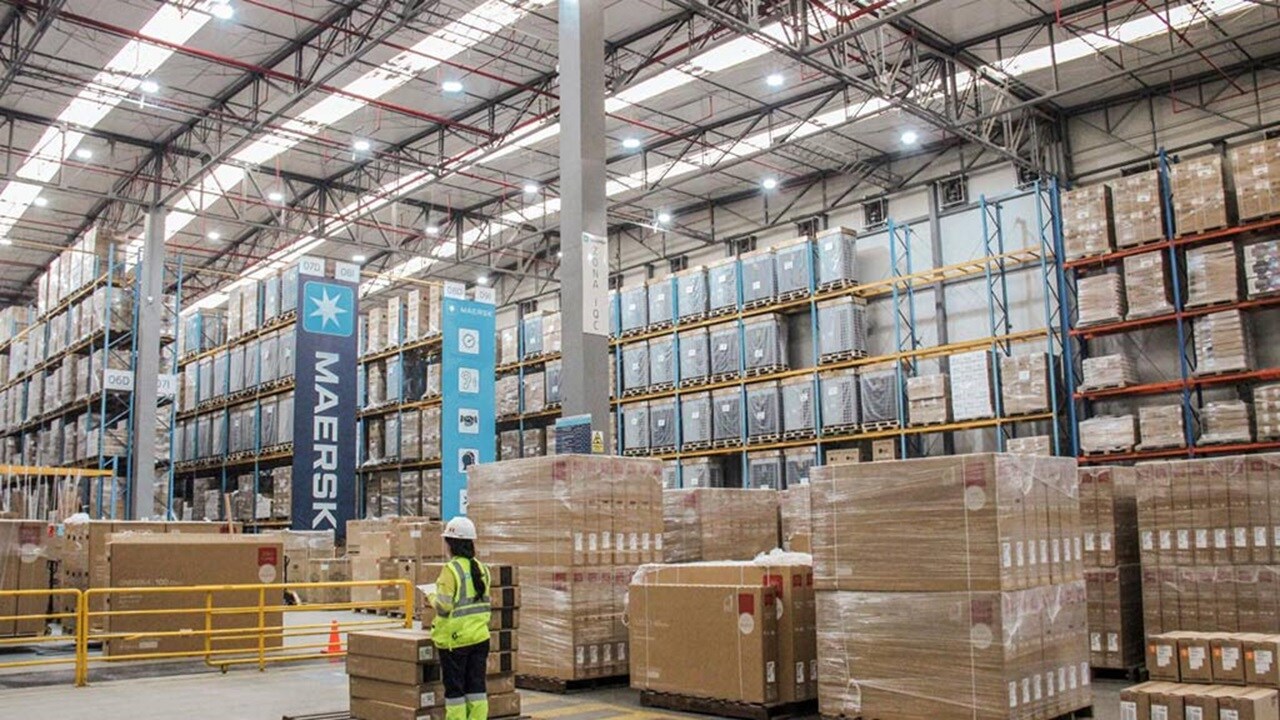
While transportation demand remains strong in many sectors, warehousing demand remains stable but uneven, and companies continue to prioritize flexibility, cost control, and data-driven planning over big network changes. The difference now is timing. The Q3 positioning decisions we flagged last update are turning into Q4 execution, so if you haven't finalized peak-season capacity, SKU-level inventory plans, and contingency scenarios, this is the moment to close that out rather than keep planning.
Ground Freight Update
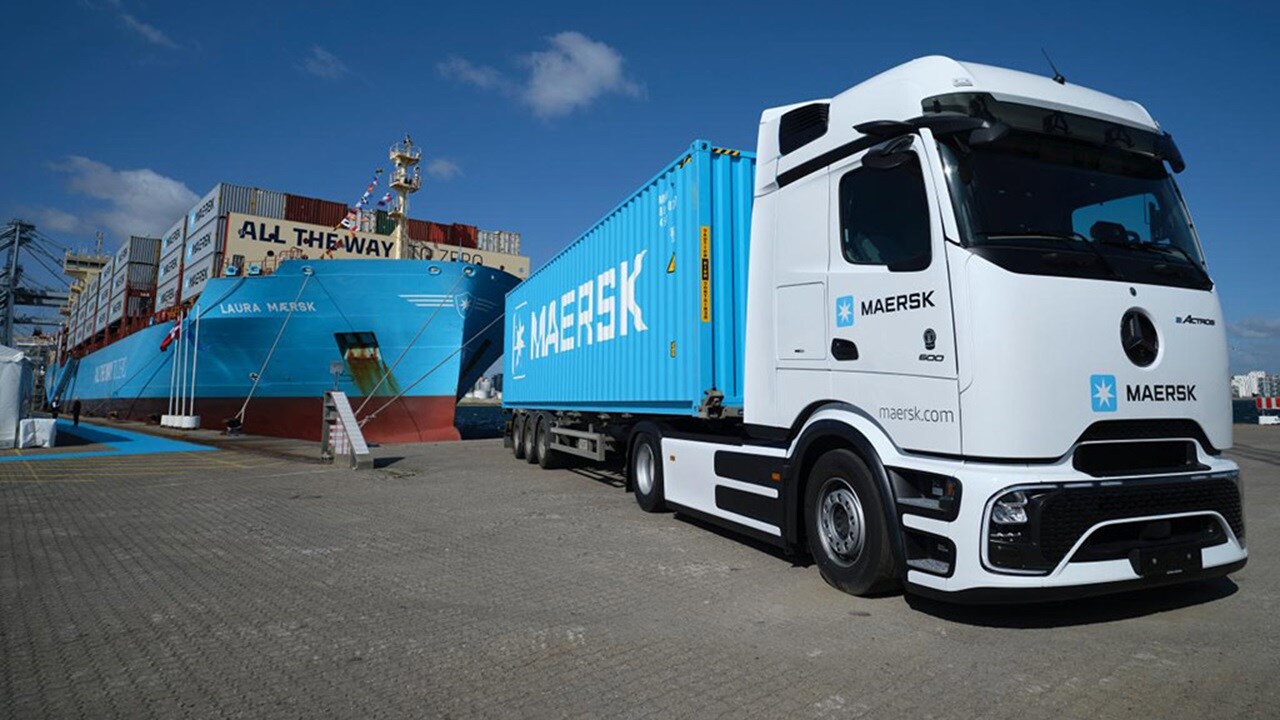
North American ground freight is entering a period of tighter, more disciplined capacity. Unlike ocean and air freight, domestic truck freight volumes declined this summer, but truckload rates kept climbing anyway, a sign that capacity, not demand, is driving the market. Capacity remains manageable in most markets, but carriers are getting more selective about the freight they accept, and that selectivity, along with driver-qualification enforcement and carrier exits, is keeping upward pressure on LTL pricing as carriers prioritize service reliability over growth. For you, this means transportation costs, especially in LTL, aren't likely to ease soon. The earlier you lock in capacity plans and contract terms ahead of peak season, the more leverage you'll have. We're working with customers to plan capacity further ahead and build flexibility into routing before conditions tighten further. We don't expect a significant reversal in this market. Tighter capacity and steady pricing pressure should continue through the rest of 2026 and into 2027.
If you want a practical framework to tighten your peak-season planning, join Bhavani Rawla, Regional Head of Ground Freight North America, for a live session on building resilience for peak season, Wednesday, October 7 at 2:00pm ET. Register here.

Logistics Ecosystem Update (E-Commerce, Lead Logistics, Cold Chain)
E-Commerce Logistics Update
North America's parcel market is resetting. U.S. volume hit 23.1 billion shipments in 2025, up 3.3% year over year, per Pitney Bowes' 2026 Parcel Shipping Index. The largest national carriers now hold about 77% of parcel revenue, down from roughly 81% in 2024, as regional and alternative networks pick up the rest, adding choice but also fragmentation. Peak surcharges from those same carriers are rising too for the 2026-27 season, with published fee increases ranging from roughly 9% to 25% depending on the surcharge type, and much of that fragmentation's real cost hides outside the rate card, in coordination overhead, inconsistent service, and slower problem-catching across disconnected carriers.
We help our e-commerce customers manage that complexity under one accountable carrier relationship instead of several. For you, this means modeling peak exposure against this year's surcharge schedules now, most start in late September and late October and run to mid-January 2027, and forecasting early to secure capacity.
Lead Logistics Update
North American supply chains now deal with constant change rather than occasional disruptions. Trade policy shifts, transportation costs, geopolitical developments, and shifting consumer demand keep adding complexity, and performance now varies by region, mode, carrier, and gateway. That's driving companies to invest more in visibility and make decisions faster. A Gartner survey from August 2026 found AI now accounts for two-thirds of supply chain digital investment, though 55% of chief supply chain officers say they're still working out the actual return.
Our Lead Logistics solutions connect data across providers, transportation modes, and functions into one view of your operations, helping you spot problems earlier, weigh your options, and act instead of react. For you, that means building visibility across orders, inventory, and shipments, assigning clear ownership for exceptions, and testing alternative scenarios before problems come up. The next step is turning that visibility into faster decisions through automation and stronger collaboration with your partners. Talk to your Maersk representative about Lead Logistics solutions and how they could strengthen your visibility, resilience, and control.
Cold Chain Update
The U.S. cold storage market has more space than it needs right now, but not where it matters. National vacancy is at a 20-year high of roughly 7% to 7.7%, driven almost entirely by facilities built since 2020, while well-located space from the prior generation stays nearly fully leased. Rents have roughly doubled since 2020, to about $27-28 per square foot, and demand isn't slowing, so waiting for prices to drop broadly is unlikely to pay off. For you, this means facility quality and location matter more than raw availability. Well-run, strategically located space near ports and consumption markets is still tight, so secure it early rather than assuming general oversupply works in your favor. We operate cold storage facilities at gateways including Wilmington, North Carolina; Ridgeville, South Carolina; Baytown, Texas; and Dayton, New Jersey.
More News & Insights from Maersk from around the world
- Maersk advances the future of customs with expanded Maersk Trade & Tariff Studio
- The missing link in peak season planning: Why depot strategy matters more than ever
- Why the old math of e-commerce logistics no longer works
- Webinar: The C.A.L.M. Framework: Building Resilience for Peak Season
Visit our Insights Hub where we share the latest trends in supply chain.
Useful links
To sign up for the Maersk North America Market Update newsletter, click here and update your preferences when prompted via email.
Check Maersk market updates from across other regions by clicking here.


