
 LinkedIn
 Facebook
 X.com
X.com
 WeChat
 Email
Email


Across Asia Pacific, supply chains continue to evolve as businesses prepare for Q4 while navigating changing operational conditions, cargo patterns and trade requirements. With seasonal weather, upcoming holiday periods and shifting regional connectivity influencing logistics planning, maintaining visibility and flexibility remains important across increasingly complex supply chains.
In this update, we highlight key developments across ocean, air freight, inland logistics and the trade environment, including Golden Week planning, the growing role of technology cargo, expanding cross-border rail connectivity and the importance of origin and compliance visibility.
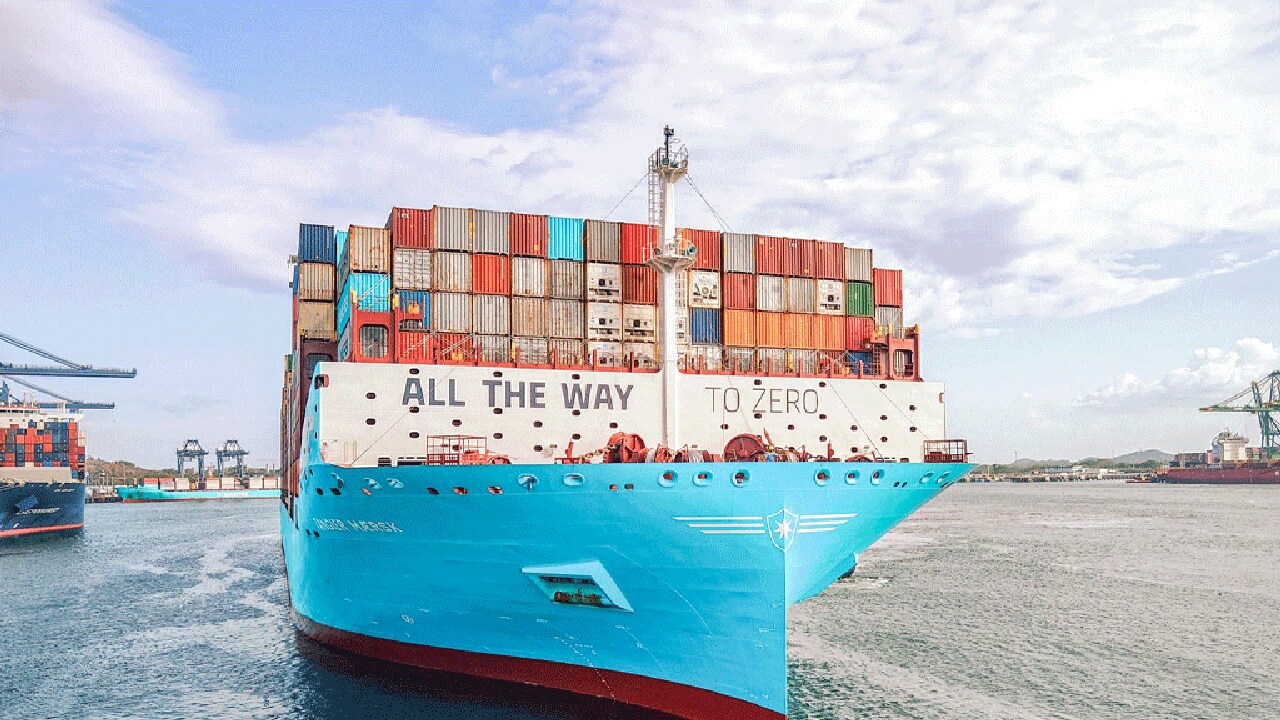
Ocean Market Update
Golden Week and Q4 Requirements Bring Shipment Planning into Focus
As September progresses, China’s Golden Week holiday and the approach of Q4 are important considerations for customers planning upcoming shipments. Reviewing shipment schedules and space requirements early can help provide greater flexibility, particularly for time-sensitive inventory moving through the peak season period.
For cargo required during Q4, customers may benefit from considering whether shipments can be scheduled ahead of the Golden Week period, including opportunities to secure late-September departures where appropriate. Allowing additional lead time can help preserve options as shipment requirements evolve.
Operational conditions should also be factored into planning. Seasonal weather and terminal congestion have the potential to affect vessel schedules and create knock-on impacts across subsequent sailings, including on Transpacific services. These considerations become particularly relevant around Golden Week, when disruption to vessels to Asia could affect planned departures.
Maintaining visibility over upcoming cargo requirements, planning bookings early where possible and allowing flexibility around sailing options can help customers manage potential disruption returning as they prepare for Q4.
Weather and Congestion Keep Schedule Reliability in Focus
Seasonal weather continues to influence ocean operations across parts of Asia Pacific. According to Sea Intelligence, all the 14 of the region’s busiest ports are experiencing a decrease in on-time vessel arrivals. ¹
Weather-related disruptions can affect port operations and vessel schedules, with delays potentially cascading through the wider network as vessels move between ports and subsequent voyages. On Transpacific services, customers are paying particular attention to destination arrival times and the potential impact of schedule disruptions, while terminal congestion can create additional pressure where vessels experience delays returning to Asia.
Beyond ocean transportation, we can further support customers through a broad range of landside and logistics solutions designed to help manage potential impacts across the supply chain. Our teams are ready to work with customers to identify alternative solutions where relevant. Customers are also encouraged to maintain visibility over upcoming shipments and stay informed through Maersk operational updates and Maersk.com when planning time-sensitive cargo.
¹ Source: Sea-Intelligence, Sharp Reliability Drop from Asian Port Congestion, August 2026.
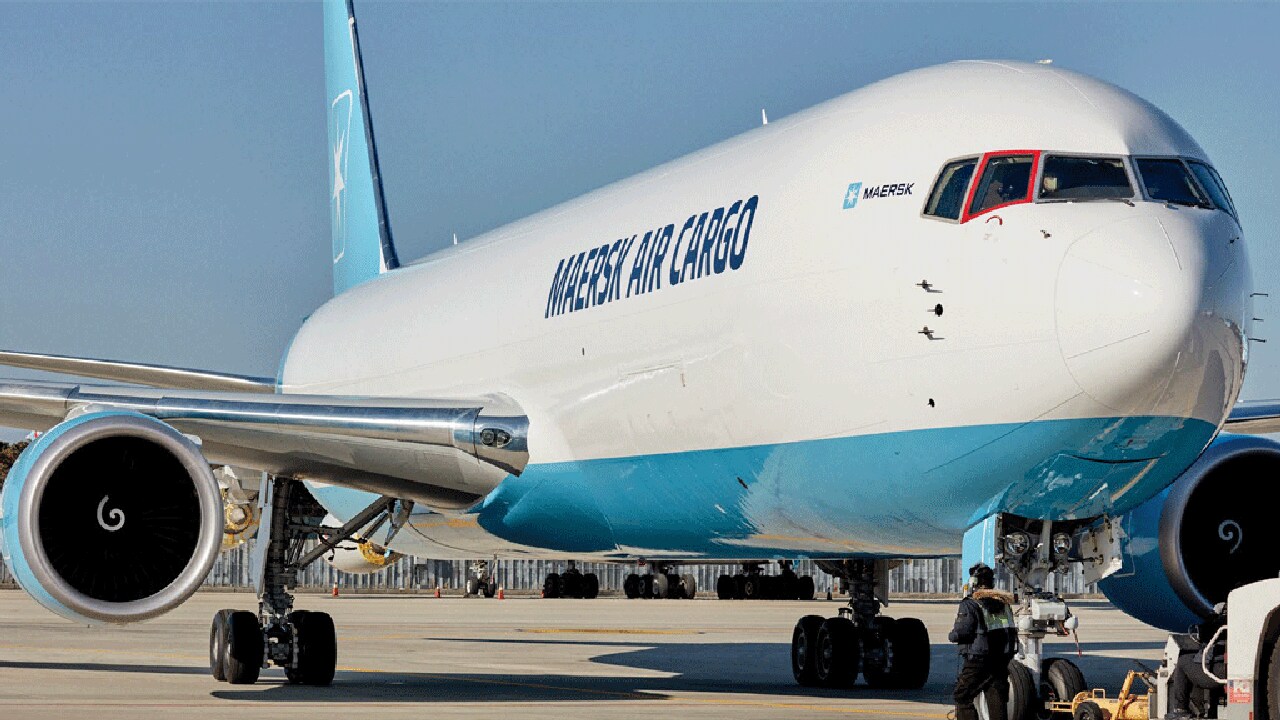
Air Freight Market Update
Technology Supply Chains Play a Growing Role in Asia Air Cargo
Technology-related cargo is becoming an increasingly important consideration for air freight planning across Asia Pacific, as investment in artificial intelligence infrastructure supports movements of semiconductors, processors, server equipment and other high-value components.
Recent industry reporting points to growing demand for AI-related cargo across key technology manufacturing markets including South Korea, Taiwan and Japan. ² For customers operating within these supply chains, the high-value and time-sensitive nature of many components can make air freight an important part of managing production schedules, inventory requirements and delivery timelines.
At the same time, conditions are not uniform across the wider air freight market. Demand patterns continue to vary by sector, cargo type and trade lane, reinforcing the importance of planning around individual supply chain requirements rather than broader market trends alone.
For customers managing technology supply chains, reviewing capacity requirements early for time-sensitive cargo and maintaining visibility around key manufacturing gateways can provide greater flexibility. For components with longer lead times, considering alternative or multimodal transport options can also help support continuity across increasingly complex production networks.
² Source: Reuters, "AI race redraws Asian air cargo, replacing e-commerce as growth engine," 29 July 2026.
Changing Cargo Patterns Put Flexibility in Focus
The evolving mix of air cargo highlights the importance of matching transport choices to individual shipment requirements. While high-value and time-sensitive technology products may be particularly suited to air freight, components with greater lead-time flexibility may provide opportunities to consider alternative transport options.
Maintaining visibility over production schedules, inventory priorities and capacity at key manufacturing gateways can help customers determine the most appropriate transport solution for different cargo requirements. As technology supply chains continue to evolve across Asia Pacific, flexibility between transport modes can provide additional options for managing changing production and inventory needs.
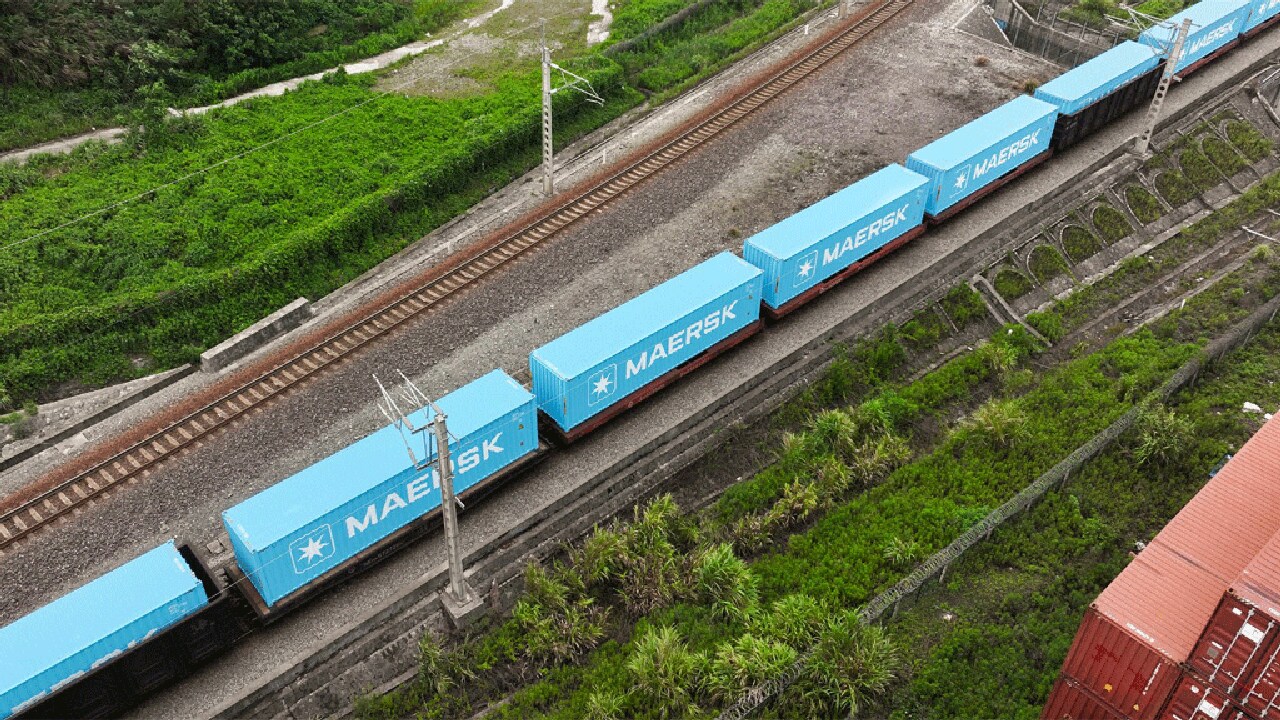
Inland Market Update
Cross-Border Rail Expands Logistics Options Between China and Mekong region
As manufacturing and sourcing networks across Asia continue to evolve, stronger rail connectivity between China and Mekong region is providing customers with additional options for selected regional cargo flows.
The China–Laos Railway continues to expand its role as a cross-border logistics corridor, connecting China with markets across Mekong region and beyond. More than 21 million tonnes of cross-border cargo have now moved via the railway since operations began, with the range of commodities transported expanding to more than 4,000 categories. ³
For customers moving cargo between China and Mekong region, the continued development of the corridor provides an opportunity to consider rail alongside established ocean and road solutions. This can be particularly relevant for selected shipments where transit time, production schedules or inventory requirements call for greater flexibility between transport modes.
³Source: The State Council of the People's Republic of China, "China-Laos Railway cargo transport exceeds 90 mln tonnes," August 2026. Available at: english.www.gov.cn
Cold Chain Connectivity Supports Time-Sensitive Regional Cargo
The development of rail connectivity is also creating additional possibilities for temperature-sensitive cargo. Regular China–Laos–Thailand all-rail cold-chain services are supporting the movement of fresh produce from Southeast Asia into China, with some shipments able to reach the Chinese market in as little as three days.
For customers managing perishable or time-sensitive goods, integrating rail with cold-chain, trucking and warehousing solutions can provide additional options for connecting production origins with regional markets.
Cross-Border Connectivity Continues to Develop Across Southeast Asia
Beyond rail, improvements to cross-border road infrastructure are also supporting greater connectivity between key markets across the Mekong region. Recent developments at the Malaysia–Thailand border are helping to streamline clearance processes and have the potential to improve transit reliability for cargo moving between the two markets.
Maersk is seeing growing customer interest in Malaysia–Thailand cross-border solutions, particularly from businesses looking for greater flexibility in how they move goods across regional production and distribution networks. While it remains early to assess the full operational impact of the new crossing, improved border infrastructure and faster clearance processes are positive developments for regional cargo flows.
Customers are also exploring more integrated approaches to regional logistics, connecting cross-border transportation with warehousing and distribution while maintaining end-to-end shipment visibility.
Rather than replacing established transport modes, expanding cross-border rail and road connectivity is giving businesses additional options when designing regional supply chains. Evaluating cargo requirements across different modes and corridors can help customers build greater flexibility into transportation planning as production and sourcing networks across Asia become increasingly interconnected.
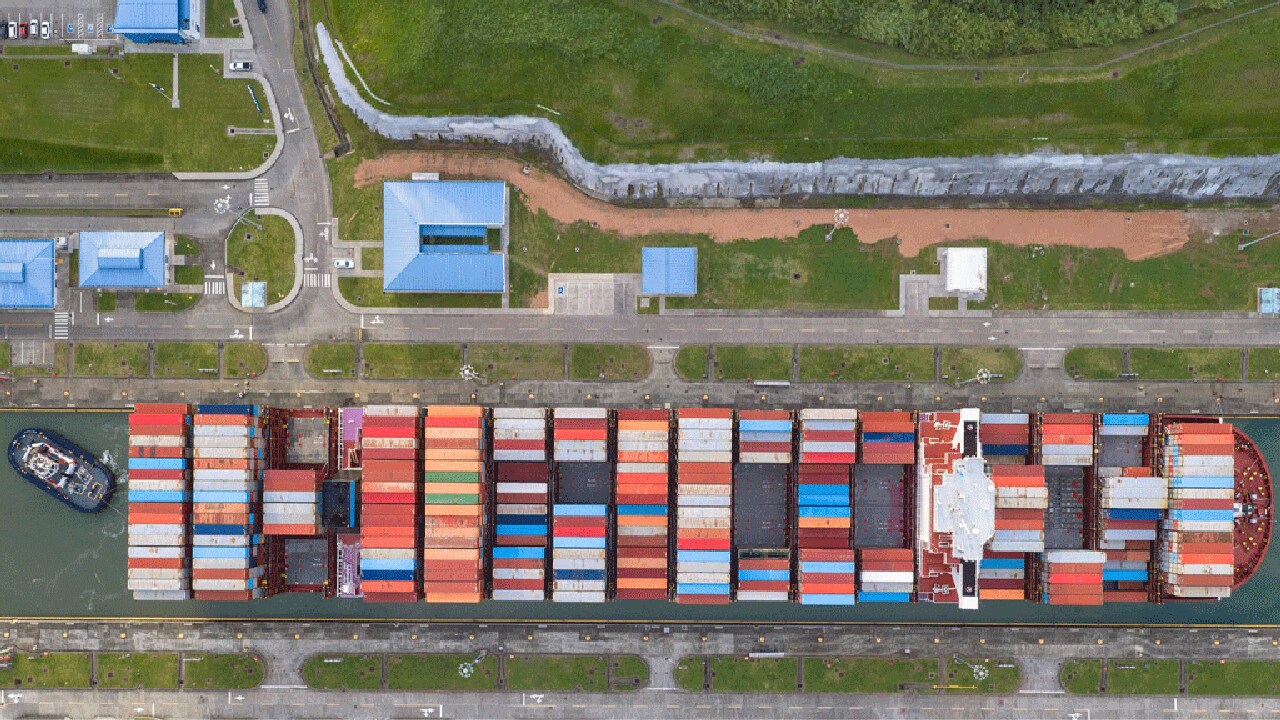
Trade Environment Update
Evolving Trade Requirements Put Compliance and Supply Chain Visibility in Focus
Businesses across Asia Pacific continue to navigate changing customs requirements, origin rules and regulatory processes, increasing the importance of accurate documentation and visibility across multi-country supply chains.
In Vietnam, regulatory scrutiny is increasing across areas including bonded warehouse operations, e-commerce activities and selected higher-risk commodity groups, with further customs regulations and implementation guidance expected. The ongoing transition of Certificate of Origin (COO) issuance responsibilities from the Ministry of Industry and Trade to local authorities is also creating operational challenges, with processing delays observed as provincial authorities build the capabilities and resources required to manage the process.
For customers, these developments reinforce the importance of allowing sufficient time for documentation and customs processes, particularly where Certificates of Origin are required. Maintaining accurate product, origin and supplier information can also help businesses prepare for evolving requirements and reduce the potential for disruption to cross-border movements.
Origin Requirements Remain an Important Consideration for Regional Exporters
Origin and customs requirements are also receiving increased attention across other markets in Mekong region. In Thailand, ongoing trade discussions with the United States are being closely monitored for potential changes to reciprocal trade arrangements and Certificate of Origin requirements affecting exports to the US market.
At the same time, customs processes across the region continue to evolve. Thailand is progressing customs digitalisation initiatives, including enhanced electronic document submission capabilities, while Cambodia has introduced additional incentives for Best Trader and Authorized Economic Operator (AEO) participants, including expedited customs clearance and reduced customs-related fees.
As requirements develop, businesses can benefit from reviewing country-of-origin documentation, customs classifications and supplier information across their regional operations. Maintaining visibility across manufacturing and sourcing networks can help customers prepare for changing requirements while supporting more efficient cross-border trade.
Resources and Tools to Support You
Visit our “Insights” pages where we explore the latest trends in supply chain digitization, sustainability, growth, resilience, and integrated logistics.
Learn what’s happening in our regions by reading our Maersk Europe, North America, and Latin America updates.
Do you find this market update useful? If you haven’t subscribed to Maersk Asia Pacific Monthly Update yet, click the link below and stay posted!
Subscribe to Asia Pacific Monthly Updates
We value your business and welcome your feedback. Should you have any questions on optimizing your cargo flows, please contact your local Maersk professional.


