 LinkedIn
 Facebook
 X.com
X.com
 WeChat
 Email
Email
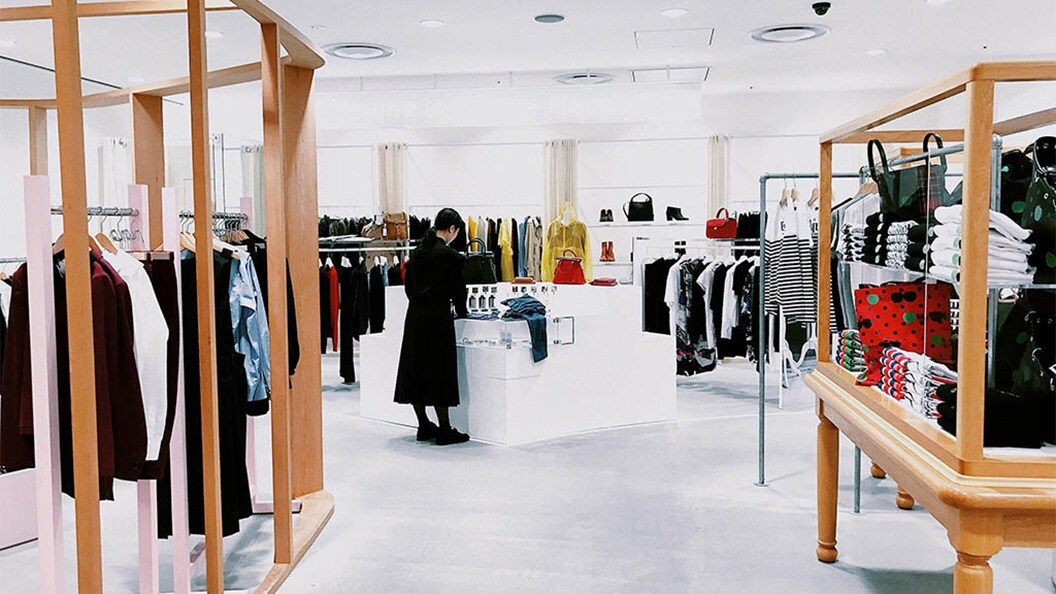
Few sectors have supply chains as wide-reaching, complex and vulnerable as those upon which lifestyle companies rely.
Most lifestyle companies are headquartered on one side of the world and locate their manufacturing bases on the other. But as they’re expected to produce new collections frequently and keep pace with rapidly evolving trends, speed to market is critical.
Many are struggling to resolve this situation. Maersk’s recent research on supply chain resilience, Course for Change, revealed that, of the sectors surveyed, lifestyle firms — encompassing sports and outdoors, apparel and footwear — reported the second-highest losses related to supply chain disruption: 4.06% of annual revenue, compared with an overall average of 3.93%.
Lifestyle companies are keen to innovate and build resilience in their supply chains but often miss out on the benefits of wider support ecosystems by failing to engage effectively with external partners.
Our survey of senior supply chain, logistics and operations leaders in the lifestyle sector shows this contradiction clearly. While 82% agree that cross-functional expertise, collaboration and partnerships are critical to supply chain resilience, only 28% cite establishing supplier partnerships as among their top three achievements in the past two years.
The collaboration blind spot in supply chain resilience
Failure to capitalise on potential partnerships is a sector-wide challenge: a combined 41% of companies rank failure to optimise logistics and create value through supplier partnerships as among their top three setbacks in balancing cost-efficiency with resilience.
But it doesn’t have to be this way.
Analysis of ‘resilience frontrunners’ in our research — lifestyle companies that lost less than 1% of revenue to supply chain disruption in the past fiscal year — suggests there is value in taking a more strategic approach to engaging with logistics service providers (LSPs).
- Half (50%) of frontrunners use LSPs to facilitate predictive risk modelling, compared with 27% of the least resilient businesses (the ‘followers’).
- Half use LSPs to diversify transport options, compared with 38% of followers.
- One-third (32%) engage with LSPs to enhance warehousing capabilities, compared with 22% of their low-resilience counterparts.
- Every frontrunner sees collaboration as crucial to resilience, while only 67% of followers agree.
Frontrunners understand that LSPs are enablers, facilitating the adoption of advanced technologies, diversifying routes, or enhancing capacity.
This allows them to manage cost pressures, seasonality and fluctuating demand. Companies that have established trusted LSP partnerships can, for example, tap into their regulatory expertise to navigate new customs rules and keep trade flowing smoothly.
Asked which of the resources or capabilities that they currently lack would do most to help balance supply chain agility with long-term stability, lifestyle firms frequently cited enhanced collaboration with supply chain partners.
Lifestyle sector supply chains: seeing a way forward
So, how should companies address this blind spot?
- Plugging capability gaps
Supply chain partners can provide resources and capabilities that are not available in-house. Let’s take production capabilities, for example: “There are far fewer factories in Spain and Portugal than there were in the past. As we grow, it becomes more difficult to ensure capacity with local partners,” says Mònica Miró Robira, head of operations at women’s footwear brand Alohas. “So, we’re trying to understand how to diversify those sources.”
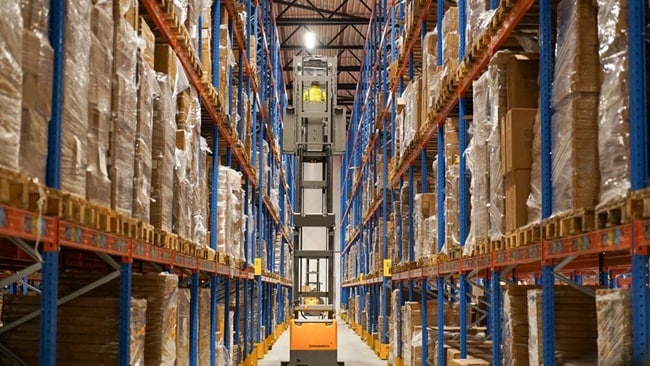
Global LSPs, such as Maersk, offer regionally integrated supply chain capabilities that connect ocean freight with inland transport, warehousing, and last-mile delivery. This enables lifestyle brands to scale operations across new markets without building from scratch. For example, Maersk’s inland transport services link ocean terminals to inland hubs via truck, rail, and barge, while its network of over 450 warehouses across 50 countries supports omnichannel fulfilment. These assets allow companies to test and grow in new regions while maintaining compliance and operational efficiency.
“If you can partner with a fourth-party logistics provider, you can grow sustainably at the right pace,” explains Wesley Hind, director of operations at ECCO, a footwear brand. “There are lots of positives in partnerships: they allow you to ramp up and test new markets without making bigger commitments.” - Building a collaborative culture
Lifestyle companies recognise the importance of cross-functional collaboration. A combined 63% say this is the missing resource that would most help balance supply chain agility with long-term stability.
Collaboration and relationship management with supply chain partners are now essential skills and respondents rank them as the second-most important competency for supply chain resilience over the next two years. Interestingly, while this competency tops the list among the least-resilient companies, frontrunners only rank it fourth, suggesting many are already confident they have these skills on board.
In practice, the value of this competency becomes clear. In April 2025, when power outages in Spain and Portugal brought Alohas’ entire domestic production and warehousing operations to a standstill, its collaborative culture proved decisive. “We quickly aligned our whole team, prioritised tasks and leveraged international partnerships to recover,” says Miró Robira. “It’s about proactive coordination and having the right systems and relationships in place throughout the business." - Sharing data with supply chain partners
Without shared data, companies cannot quantify how partnerships improve resilience and then act accordingly on that information. But while 86% of frontrunners are willing to exchange real-time data and insights with supply chain partners, only 56% of followers are willing to do the same.
Yet many still hold back. Nearly three in 10 (28%) say they’re reluctant to share confidential information with supply chain partners, even if doing so would increase resilience. This could be owing to the perception that technology limitations hinder effective data sharing or integration, as cited by 20% of followers against 11% of frontrunners.
LSPs can offer support here. Tools such as Maersk’s Supply Chain Resilience Model provide customers with metrics that show how collaboration improves reliability, shortens lead times, and strengthens overall resilience. These tools help quantify the impact of shared data and enable more informed decision-making across the supply chain. - LSPs as reliable partners
LSPs have a crucial role to play in helping lifestyle companies develop high-quality products and deliver them to customers on time and as cost-efficiently as possible, all the while mitigating risks. Maersk’s East-West Network, for instance, provides reliable ocean transport and integrated logistics access, helping lifestyle brands manage inventory and delivery timelines with greater precision.
Many lifestyle companies are already collaborating with LSPs on forecasting, capacity planning and order management to enhance supply chain adaptability. But there is a 30-percentage-point difference between the proportions of frontrunners and followers likely to engage in these practices.
What to do next for supply chain resilience
To improve collaboration, companies should focus on four priorities:
- Deepen supplier partnerships — move beyond transactional procurement and invest in shared forecasting, capacity planning and data sharing.
- Engage LSPs strategically — follow frontrunners in using LSPs for predictive risk modelling, diversification and compliance support.
- Embed collaboration into culture — build cross-functional decision-making and skills in relationship management.
- Measure collaboration impact — track both costs and resilience outcomes, such as speed to market, customer satisfaction and reduced disruption losses.
Recognising where supply chain partners can provide value is a crucial piece of the resilience puzzle. Frontrunners have already evolved from transactional to strategic partnerships, enabling them to anticipate disruption, diversify options and enhance capabilities. Clearly showcasing how to achieve supply chain resilience.
Be ready for intelligent supply chain resilience to go all the way! Explore the full Course for Change report and learn more about Maersk Supply Chain Resilience Model, or for more logistics trends and insights, read and download The Logistics Trend Map.

About FT Longitude
At FT Longitude, we harness the power of intelligence with influence to leave a lasting impression on the world of business. With a focus on pioneering thought leadership strategies, we create high-impact campaigns that transform perceptions. We craft powerful insights that engage key decision-makers, and using creative storytelling techniques, we imprint brands with unforgettable messages that resonate. Part of the Financial Times Group, we help brands reach and connect with the world’s most influential people, through the FT’s 21 million monthly global readers. Visit longitude.ft.com and find us on social media.