
 LinkedIn
 Facebook
 X.com
X.com
 WeChat
 Email
Email
Executive summary
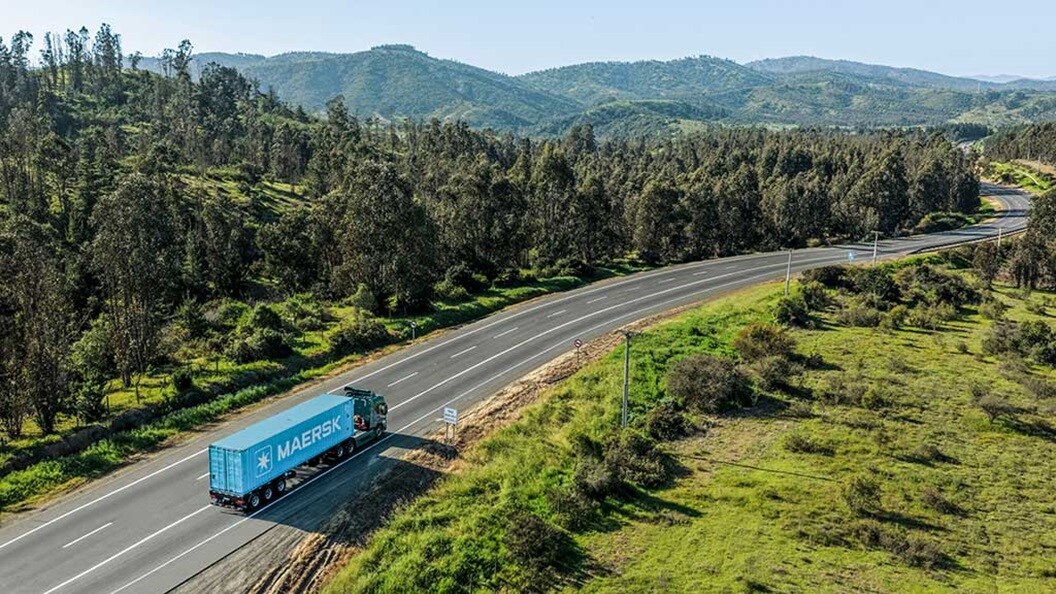
Trade and logistics flows across India, the Middle East and Africa are being shaped by continued geopolitical uncertainty and operational pressure across key maritime corridors, alongside strong seasonal export demand and growing interest in more flexible inland and warehousing networks. Uncertainty around the Strait of Hormuz, variable vessel waiting times and high yard density at several regional ports continue to affect predictability, while agricultural export seasons in East Africa and evolving corridor conditions across West Africa are increasing pressure on equipment, trucking and gateway capacity. Maersk is responding through network reconfiguration, alternative gateways, multimodal routing, capacity planning and closer operational monitoring. Customers should continue to plan for variable lead times, provide early visibility of anticipated volumes, maintain routing flexibility and engage their Maersk representatives on the most suitable options as conditions evolve.
Ocean update
The operating environment remains uncertain, with developments around the Strait of Hormuz continuing to affect operations across the Middle East and creating ripple effects at ports elsewhere in the region. Vessel waiting times vary across IMEA. The most significant delays are currently affecting Tema and Abidjan. High yard density in Colombo, Salalah and Jeddah is also putting pressure on operations. To keep cargo moving, Maersk has reconfigured its networks, rerouted its vessels and introduced alternative gateways, while prioritising the transportation of essential goods such as food and medicine. The company has also started transiting the Suez Canal on the AE15 , MECL and WAF6 services. Additional trans-Suez sailings may be considered if security thresholds continue to be met; however, this would not represent a full return of the East–West network to the trans-Suez corridor. Safety, cargo integrity and network stability remain central to every routing decision, and customers will continue to receive updates as conditions evolve.
Logistics and services update
Western Africa Area
In West and Central Africa, the way goods are transported over land is being shaped by increasing volatility in trade corridors. Trucks, cargo and customers are shifting between gateways in response to congestion, security conditions, border restrictions, seasonal road conditions and differences in rates. Although capacity remains manageable, the market is becoming less predictable and requires more multi-gateway planning, secured capacity, improved operational visibility and faster responses to changes in the corridors. Maersk is therefore strengthening its alternative-gateway strategy for key inland markets, with an immediate focus on Mali. Congestion in Dakar, disruption to vessel schedules in Abidjan, and continued security uncertainty along the Dakar–Bamako corridor has reinforced the need for greater routing diversity. Meanwhile, Tema's operational stability and commitment to serving landlocked markets are making it an increasingly relevant option for transit cargo. Alongside stronger partnerships with transport providers, continuous monitoring of transit times, security, customs processes and equipment availability, and enhanced visibility through the Customs Control Tower, Maersk is developing contingency plans that allow cargo to be rerouted when disruption occurs. Maersk is assessing the main corridors serving Mali in terms of port and terminal performance, schedule reliability, inland capacity, border and customs processes, security, transit time and total logistics costs. This will inform routing recommendations aligned with each customer’s priorities. As conditions evolve, customers are encouraged to engage with their Maersk representatives, as corridor volatility is likely to remain a structural feature of the regional market. This makes flexible routing, end-to-end visibility and proactive exception management increasingly important to supply chain resilience.
Eastern Africa Area
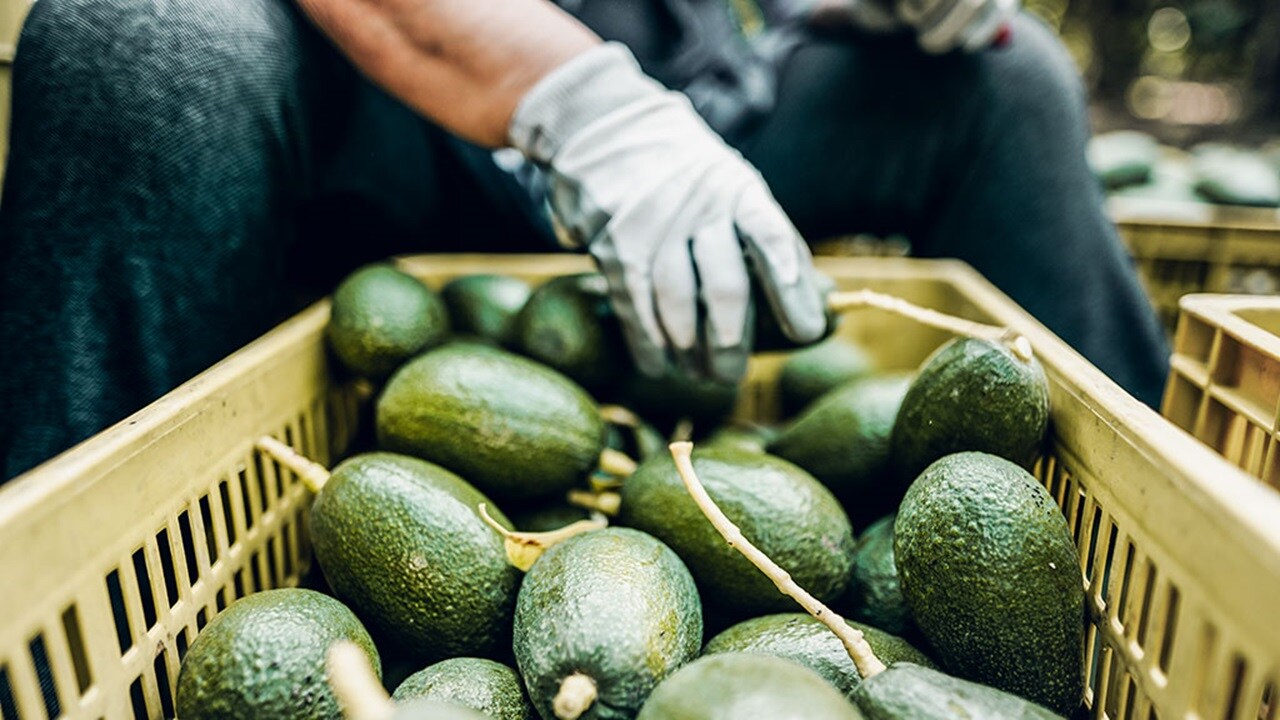
The logistics market in East Africa remained active throughout July, driven by robust demand for agricultural exports across Kenya, Uganda, and Tanzania. In Kenya, the increased demand for avocado exports has led to higher demand for reefer equipment, trucking and vessel space. Meanwhile, Uganda’s Arabica coffee season has led to increased demand for inland transport and export logistics. Preparations are also underway to position equipment and capacity ahead of Tanzania’s cashew export campaign. To support continuity, Maersk is closely monitoring reefer availability, engaging with trucking partners and coordinating between landside and vessel-planning teams, as well as planning capacity early across key agricultural corridors. Customers are encouraged to book early, particularly for refrigerated cargo and exports, and to provide early visibility of anticipated volumes to support equipment and transport planning. They should also maintain flexibility in their schedules and closely manage cargo readiness and documentation. Demand is expected to remain firm throughout August, although lead times may continue to be influenced by equipment availability, trucking capacity and port and border performance.
India, Bangladesh and Sri Lanka Area
Following weather-related disruption in parts of Gujarat and Maharashtra, rail and inland operations across India continue to demonstrate resilience, with port backlogs largely under control and cargo flows stabilising across key gateways. To support the FI2 service, Maersk is expanding inland connectivity through a new block train linking Pipavav with North India and has activated the Mysore and Patparganj corridors to create additional routing flexibility. Although weather-related disruption and localised infrastructure constraints have affected transit times on some corridors, conditions are improving. By working with rail operators and inland transport partners, Maersk is supporting the recovery process through coordinated rail planning, alternative routing, expedited container evacuation and close stakeholder coordination. Further stabilisation is expected in the weeks ahead as network conditions improve and additional connectivity comes online.
Saudi Arabia Area & Upper Gulf
Saudi Arabia and the Upper Gulf continued to operate in a dynamic environment as regional geopolitical developments and security incidents affecting Red Sea trade lanes influenced shipping networks, cargo flows, and routing decisions. Saudi Arabia’s western ports, particularly Jeddah and King Abdullah Port, remain important gateways for domestic cargo, as well as for increasing volumes moving to the wider Gulf via multimodal solutions. However, sustained throughput and network adjustments are putting pressure on terminal yards, container depots, customs operations and trucking capacity. Consequently, customers may experience longer lead times, slower equipment turnaround and reduced schedule predictability, which could lead to increased costs across inland transport and security-related operations. Conditions are expected to remain operationally challenging in the near term, with continued pressure on western ports and the supporting logistics infrastructure.
Warehousing and Distribution Update
Southern Africa Area
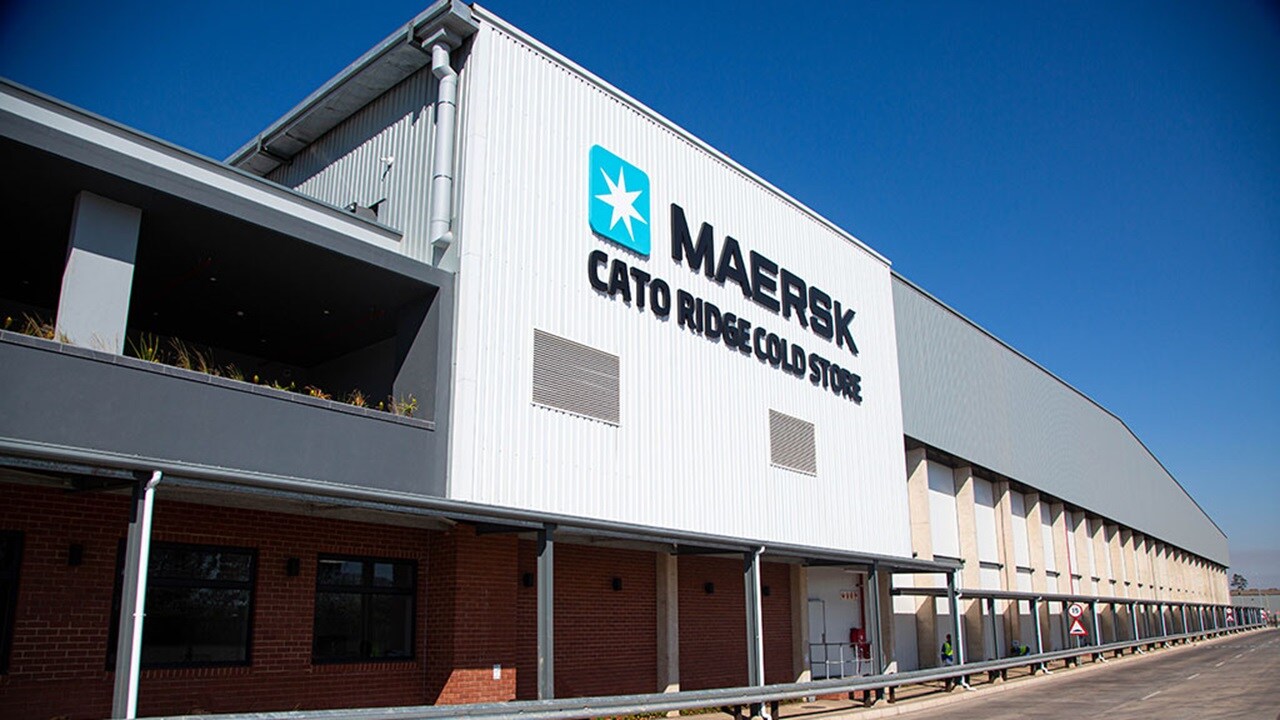
The warehousing and distribution market in South Africa is being shaped by the growth of e-commerce, automation, and the rising demand for modern, energy-efficient logistics facilities. The additional cold storage capacity in Cape Town and Durban is increasing customer choice, while demand is shifting towards reliable, multi-temperature facilities. However, variability in rail and road networks, exposure to diesel and stronger last-mile requirements are adding cost and complexity. This is increasing interest in energy-resilient, multi-client facilities and outsourced warehousing and fulfilment. Maersk’s integrated warehouse, depot and rail infrastructure in Johannesburg, Durban and Cape Town provides customers with access to multimodal transport, scalable space and omnichannel fulfilment, eliminating the need for them to make a capital investment in their own infrastructure. Continued variability in the network is emphasising the importance of flexible distribution models, inventory positioning and mode optimisation as market conditions evolve.
Saudi Arabia Area & Upper Gulf
Logistics and supply chain activity in Saudi Arabia continues to be strong, supported by Vision 2030 initiatives, growing consumer demand and expansion in e-commerce and healthcare. Demand for high-quality warehousing, distribution and integrated logistics solutions is being sustained in Jeddah, Riyadh and Dammam, as customers seek scalable networks that can support business and volume growth. As operations expand across the kingdom, supply chains require greater agility, inventory visibility, compliant storage and tighter integration between warehousing, fulfilment and transport. Maersk is enhancing its contract logistics and integrated supply chain capabilities by expanding its warehousing and distribution network. This includes large-scale facilities such as the Maersk Logistics Park, which provide scalable storage, inventory management, value-added services and end-to-end logistics support. Demand for warehousing, fulfilment, transport and integrated logistics is expected to remain strong until the end of 2026, particularly in the western region. Continued infrastructure investment and digitalisation will create further opportunities for customers to improve efficiency, service levels and resilience.
Eastern Africa Area
There is continued strong interest in integrated logistics and warehousing in East Africa, as businesses seek greater resilience, a wider regional distribution reach, and end-to-end supply chain visibility. At the same time, customers are navigating disruption to the Middle East network, congestion at ports and depots, and new compliance requirements, including Kenya’s Advanced Cargo Manifest process, which will be effective from August 2026. These conditions emphasize the importance of inventory planning and compliance management, as well as the ability to adapt to changing transport networks. Meanwhile, rising demand for contract logistics, value-added warehousing and regional distribution creates opportunities to improve service levels and position inventory closer to market. Maersk supports customers with an integrated network spanning contract logistics, customs services, transport and regional distribution, backed by supply chain planning and network optimisation. Looking ahead, regulatory readiness, inventory optimisation and end-to-end visibility will remain central to supply chain performance. Demand for scalable warehousing and regional distribution is also expected to continue, as customers pursue greater efficiency and resilience across East Africa.
Useful links
More News and Insights from Maersk
- Maersk Operations updates on situation in the Middle East
- Viaservice And Maersk Partners to Deliver More Efficient Container Management for Kenyan Customers
- Building resilient supply chains for Lifestyle brands
- Driving Resilience: South Africa's automotive sector in a changing Trade landscape
Visit our Insights Hub where we share the latest trends in supply chain digitization, sustainability, growth, resilience, and integrated logistics.
Useful links
Check Maersk market updates from across other regions by clicking here.


