 LinkedIn
 Facebook
 X.com
X.com
 WeChat
 Email
Email
To receive the Maersk Europe Market Update in your inbox, sign up here and update your preferences when prompted via email.
Ocean and Key Ports Update
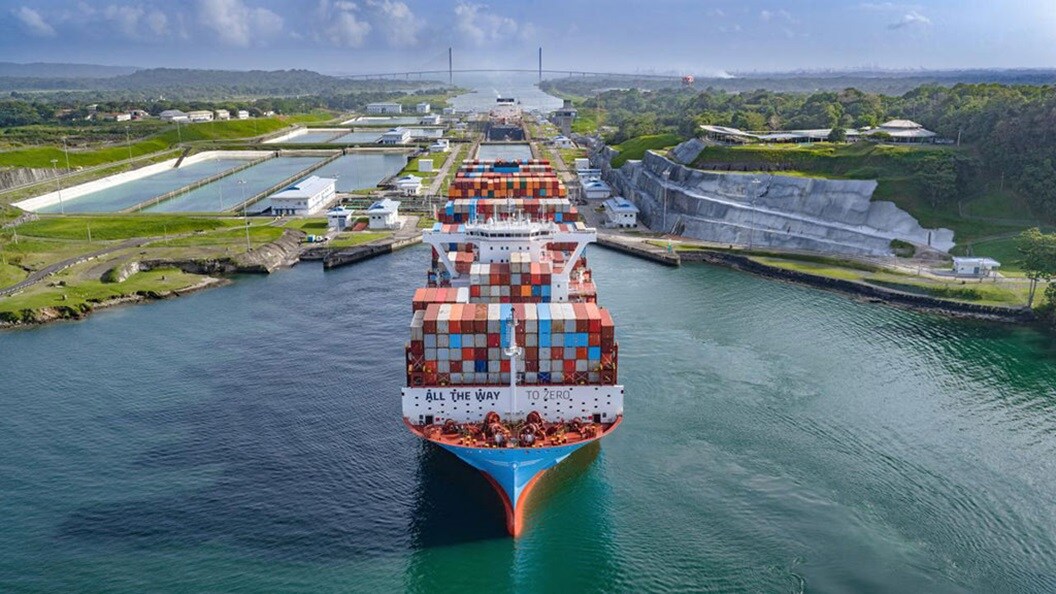
As European supply chains move into the traditional peak shipping season, attention is turning to inventory positioning and capacity planning ahead of autumn and year end demand. Customers are encouraged to share forecasts early and build flexibility into operations in order to reduce exposure to potential disruption. Please reach out to your local Maersk representative to discuss your supply chain needs.
Elsewhere, the security situation in the Middle East has indeed improved, but Maersk continues to operate cautiously as the geopolitical outlook remains difficult to predict. We will continue to keep customers informed of the latest developments across the region, but please also visit our dedicated Middle East situation page for further updates.
The Middle East situation is a key contributor to challenging market conditions driving a range of surcharges across logistics services. To improve transparency, Maersk has launched a dedicated Less-than-Container Load (LCL) surcharge information page, giving customers a single source for the latest charges and effective dates. LCL customers can stay up to date here.
On the key ports side, Rotterdam Maasvlakte II (MV2) continues to face disruption courtesy of extremely high temperatures (above 30 degrees) forcing gate closures across the terminal. Daily forecasts remain occasionally high as we move towards the end of the summer, and customers are encouraged to closely monitor vessel and terminal updates, build additional buffer into collection and delivery planning, and arrange transport as early as possible to minimise the impact of any short-notice operational restrictions.
Rotterdam is also experiencing a significant increase in refrigerated import volumes ahead of the European Union's ban on certain meat imports from Brazil, which comes into effect on 3rd September. As importers bring forward shipments, additional pressure is expected on reefer handling and inspection processes, with longer waiting times being reported for Dutch food and consumer product authorities.
To support customers and maintain cargo flow, additional refrigerated plug capacity has been secured at MV2 throughout August, providing capacity for a substantial increase in reefer volumes on services connecting Europe with South America. Customers shipping refrigerated cargo through Rotterdam should plan for potential delays in inspection and onward handling processes, while ensuring documentation and inland transport arrangements are in place before cargo arrival to minimise disruption.
Across north European terminals, customers are requested to arrange the collection of import containers promptly to avoid unnecessary congestion. Challenges surrounding the timely collection of dangerous cargo continue, and delayed pickups increase the risk of forced discharge to alternative terminals.
To stay updated on the latest information on your cargo, you can receive ETA notifications for your cargo by signing up here.
Logistics and Services Update

On 13th July 2026, the Indian Government updated its Foreign Trade Policy to prohibit the import of goods made wholly or partly with forced labour. Effective 12th August 2026, companies will be required to conduct greater scrutiny of supply chains, sourcing, and due diligence.
Maersk can support customers by helping improve visibility across supplier networks, enabling a clearer understanding of sourcing practices and identifying areas where potential forced labour risks may exist. Please don’t hesitate to reach out to our Global Trade and Customs Consultants if you require support.
Elsewhere, businesses trading with the European Union should prepare for the Packaging and Packaging Waste Regulation (PPWR), which becomes applicable from 12th August 2026 and introduces a harmonised framework for packaging across all EU Member States. The regulation places greater emphasis on packaging compliance, documentation, recyclability and producer responsibilities. For supply chain leaders, the key priority is to review packaging specifications, supplier readiness and compliance documentation to ensure products can continue to move freely within the EU market. Get more information here.
In July, the European Commission published updated guidance for the EU Deforestation Regulation (EUDR), in which it refined the list of products covered by the regulation and introduced new tools to support compliance. Several products have been removed from scope, including leather, re-treaded tyres, and certain rubber products, while soluble coffee, selected palm oil derivatives and frozen cattle tongues will be added from December 2027. Businesses sourcing, importing or trading products linked to commodities such as coffee, palm oil, cocoa, soy, cattle, rubber or wood should use the coming months to validate supplier information, strengthen traceability processes and ensure due diligence procedures are in place before the regulation takes effect. Find more details here.
In air freight, European import volumes continued to expand in May, while export volumes remained in decline – reflecting a more cautious demand environment across parts of the manufacturing sector.
At the same time, the introduction of new EU customs rules for low-value imports has been reshaping traffic flows. Since the removal of the €150 duty-free threshold, low-value air cargo imports into Europe have fallen by almost 33% year on year, reinforcing a broader shift away from e-commerce-driven volumes and toward higher-value cargo segments.
Customers should review the impact of the new e-commerce customs rules on inventory and distribution strategies, particularly where low-value goods have historically formed part of the supply chain. Businesses moving technology, retail and other high-value products are encouraged to share forecasts early, secure capacity for critical shipments in advance and maintain flexibility around routing options. Proactive planning will be particularly important as the market transitions into the autumn period and businesses prepare for year-end demand.
Please click here to find helpful information about Maersk Air Cargo and our services to and from Europe.
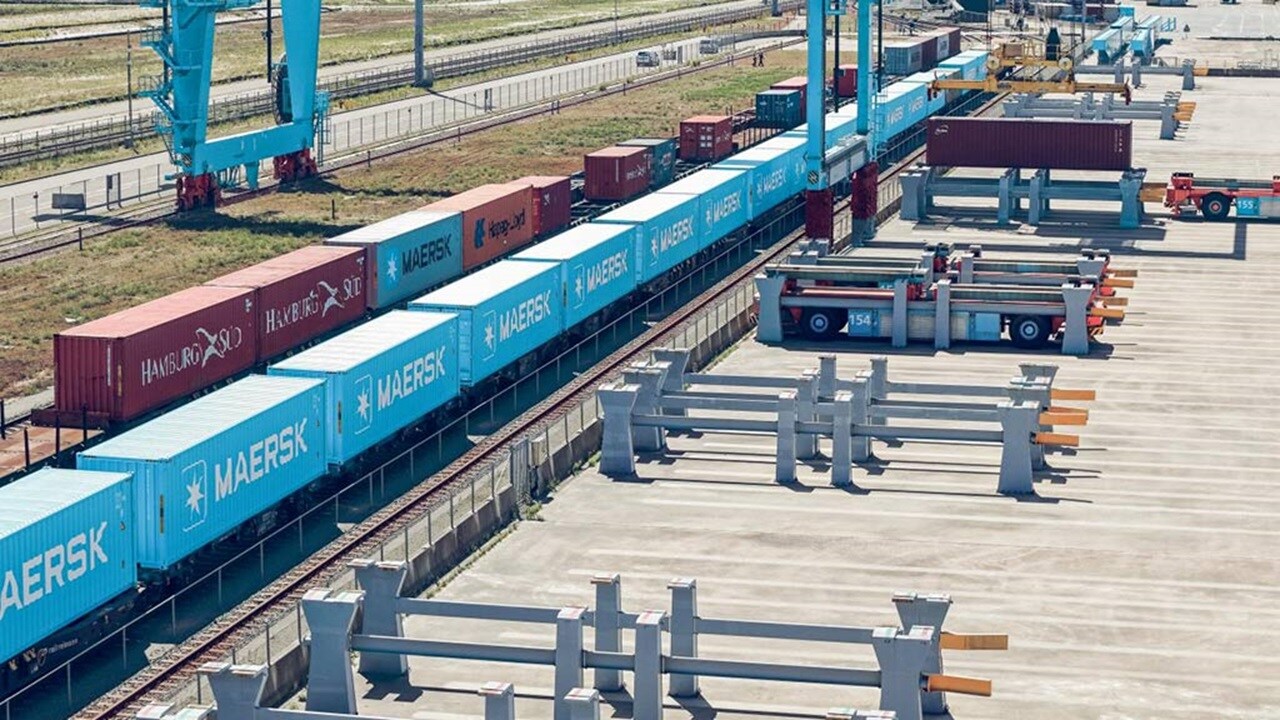
In Morocco, Maersk is turning to inland solutions in order to ease congestion at the Port of Casablanca, by offering customers a high-frequency rail connection between it and Tangier. The vision positions Tangier as the primary gateway into the country through Maersk’s global ocean network, before transferring to Casablanca via fast and reliable rail services – delivering reliability, flexibility, and efficiency to customers. Read more about it here.
Elsewhere, Italy’s rail network will undergo a series of infrastructure improvements throughout summer 2026, resulting in temporary capacity reductions and potential disruption on key freight corridors. Customers moving cargo to, from or through Italy should review transport plans, allow additional buffer time for inland movements and stay closely aligned with logistics partners to minimise the impact of rail restrictions. For the latest details on affected routes, timelines and contingency measures, please click here.
For more information on ways to connect seamlessly with our rail, road, and barge solutions across Europe, please visit our Inland transportation services in Europe.
Useful Links
To sign up for the Maersk Europe customer newsletter, click here and update your preferences when prompted via email.
Check Maersk market updates from across other regions by clicking here.


