 LinkedIn
 Facebook
 X.com
X.com
 WeChat
 Email
Email
Executive Summary
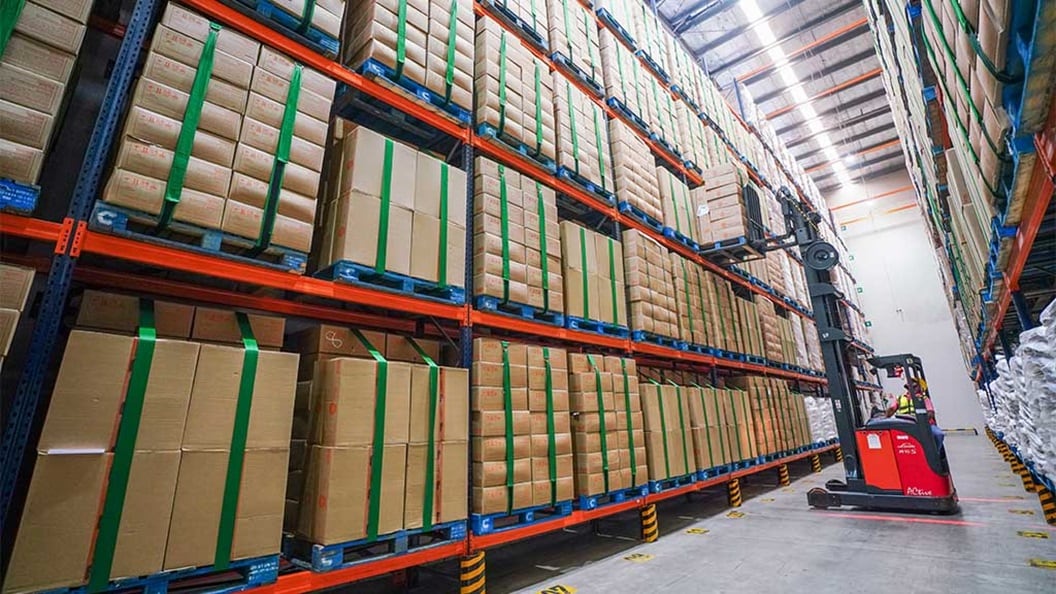
The IMEA warehousing landscape is undergoing a major shift. Warehousing trends for 2026 in IMEA point to accelerated automation, smarter data visibility, IoT-enabled logistics, and sustainable fulfilment networks. As India, the Middle East, and Africa invest in infrastructure and digital trade systems, warehouses are becoming strategic hubs that improve speed, resilience, and efficiency. This article outlines the most important trends for 2026 and what logistics leaders must prioritize.
Introduction: Why Warehousing in IMEA Is Changing Faster Than Ever
The warehousing sector across India, the Middle East, and Africa is transforming rapidly. Driven by technology, shifting consumer expectations, and new trade corridors, warehouses are evolving into smart, efficient, sustainable nodes that play a central role in fulfilment and supply-chain resilience. As demand rises and customer proximity grows in importance, businesses must understand the forces shaping warehousing by 2026 so they can navigate increasing volatility, build resilient networks, and deliver the visibility customers expect.
Trend 1: Accelerated Adoption of Automation and Technology
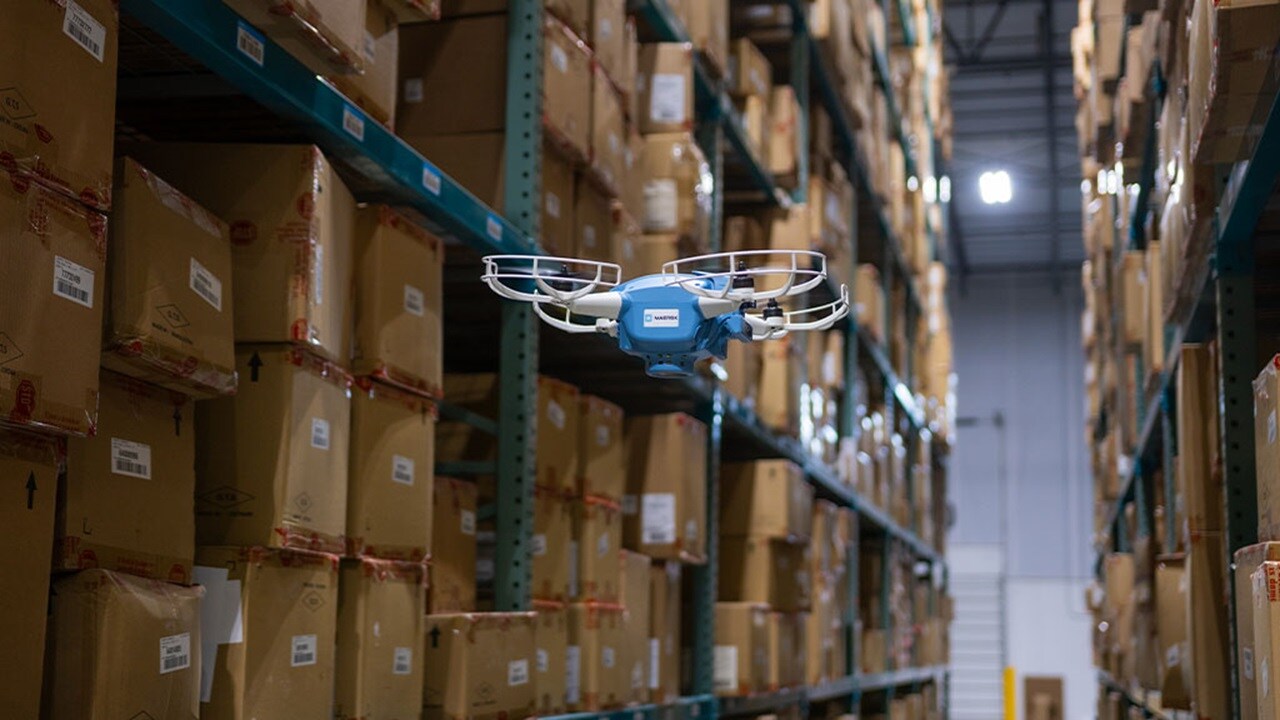
Automation will dominate warehousing trends in 2026, driven by cost pressures and fulfilment speed expectations. AI-powered robotics, automated guided vehicles (AGVs), and autonomous mobile robots (AMRs) will be deployed to streamline picking, sorting, and inventory accuracy. IoT sensors enable real-time visibility, while digital twins allow operators to simulate bottlenecks before they occur.
Cloud-supported Warehouse Management Systems (WMS) provide predictive insights, enabling managers to allocate labour and space more efficiently.
Trend 2: Expansion into New Geographies
As delivery windows shrink, fulfilment centres are moving closer to consumption centres. In India, Tier-2 and Tier-3 cities like Lucknow, Jaipur, and Coimbatore are emerging as fulfilment growth points. The Middle East is developing inland logistics zones along major rail and road upgrades. African markets are shifting towards secondary cities as industrial parks and SEZs expand. These changes support the rise of Hub-and-spoke networks that reduce delivery cost and improve last-mile performance.
Trend 3: Sustainability and ESG become core performance indicators
Sustainable warehousing is no longer optional. Solar-powered cold rooms, energy-efficient buildings, and green-certified logistics parks are becoming standard. Warehouses increasingly feature renewable energy, rainwater harvesting systems, and eco-friendly materials. The push towards net-zero commitments is accelerating adoption across IMEA.
Trend 4: Policy Reforms & Infrastructure Projects Accelerate Modernization
Government policies and infrastructure projects continue to shape IMEA warehousing. India’s National Logistics Policy is improving connectivity and multimodal integration. The Middle East is investing heavily in giga-project logistics hubs, while Africa is accelerating corridor upgrades under AfCFTA.
Trend 5: Human–Machine Collaboration and Workforce Upskilling
Even as automation grows, people remain essential. Warehouses of 2026 will see technology augmenting human roles. Upskilling programs in robotics, analytics, and safety systems will be critical for efficiency and safe operations.
Trend 6: Flexibility in Capacity Planning
Flexible warehousing models — including shared storage, subscription-based space, and on-demand capacity — are becoming vital across IMEA due to seasonal demand volatility and rapid market shifts.
Trend 7: Rapid Growth of Integrated Cold Chain Infrastructure
Cold chain capacity is accelerating across IMEA as demand for food security, pharmaceuticals, and temperature-controlled products grows. Africa is expanding cold stores and port-adjacent hubs for export agriculture; the Middle East is building premium networks for perishables and pharma; and India is advancing integrated chains that link farm-gate consolidation, reefer transport, and modern storage. As temperature sensitivity rises, energy-efficient and digitally monitored cold storage is becoming essential to resilient fulfilment networks.
Regional Perspectives
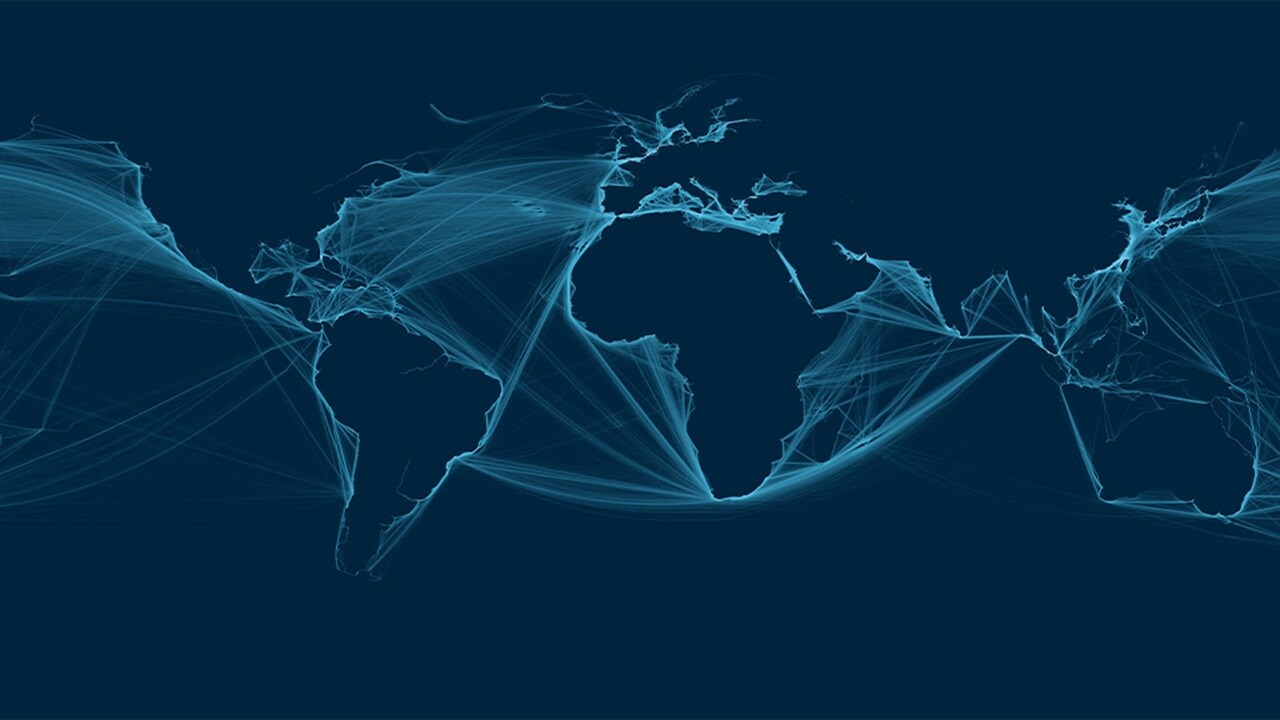
Africa: Warehousing expansion follows new trade corridors such as Walvis Bay–Lusaka and Mombasa–Kigali. Growth focuses on resilience, cold chain, and solar-powered facilities.
Middle East: Investments in Etihad Rail, NEOM logistics zones, and inland freight hubs are redefining fulfilment ecosystems.
South Asia: India’s digital infrastructure and modern logistics parks are reshaping warehousing, while Pakistan improves cross-border efficiency via the Single Window.
What Logistics Leaders Should Do Now
- Audit warehouse automation and sustainability readiness.
- Implement data-driven WMS linked to transport visibility.
- Use shared or flexible warehousing models to build agility.
- Engage early with policy reforms and logistics park opportunities.
- Invest in workforce training for hybrid automation environments.
- Build hybrid networks that serves both formal and informal retail flows.
By 2026, warehousing in IMEA will be defined by intelligence, agility, and sustainability. Organisations that adopt automation, renewable energy, digital platforms, and workforce readiness will shape the future of retail and supply-chain resilience across one of the world’s most dynamic regions.
Be ready for your warehousing to go all the way! Explore more with Maersk Logistics Insights and strengthen your approach on creating warehousing strategies that are both resilient and responsive.