Pharmazeutische Industrie

Sorgen wir gemeinsam für eine gesündere Welt

Verbessern Sie mit spezialisierter Logistik für die Pharma- und Healthcare-Branche Zugang, Leistung und Rechenschaftspflicht.

Reducing GHG emissions in global logistics with Novo Nordisk

Discover how Novo Nordisk, together with Maersk, is transforming supply chains to lower greenhouse gas (GHG) emissions. Watch the video to learn about our efforts and ongoing journey towards decarbonisation in logistics.
Why temperature control and intervention is a life-saver for pharmaceutical cargo
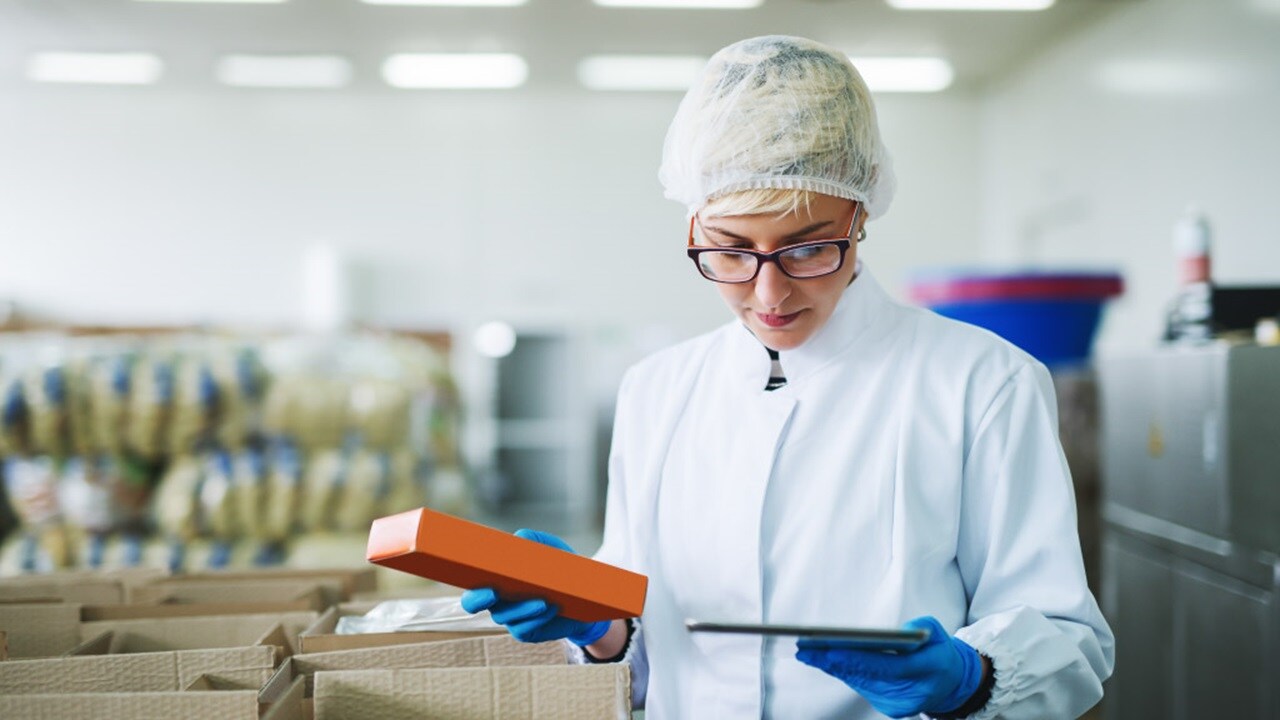
Temperature control and timely intervention are critical to ensure the integrity of pharmaceutical cargo. Even slight deviations can compromise the quality of life-saving medicines, disrupt their movement, and set companies back. For a deep-dive into the strategies and technologies that safeguard these vital shipments, read an insightful article by our pharma specialist Sebastian Steinmueller.
female-worker-holding-box

AI and Pharma: the next best duo

Considering how artificial intelligence is already revolutionising all industries, how can AI change the pharmaceutical industry and its supply chains? What are the benefits and challenges? Explore the 7 ways artificial intelligence can boost the pharmaceutical industry in this research piece.
Macro photography of glasses on tray

The importance of visibility for pharma supply chains
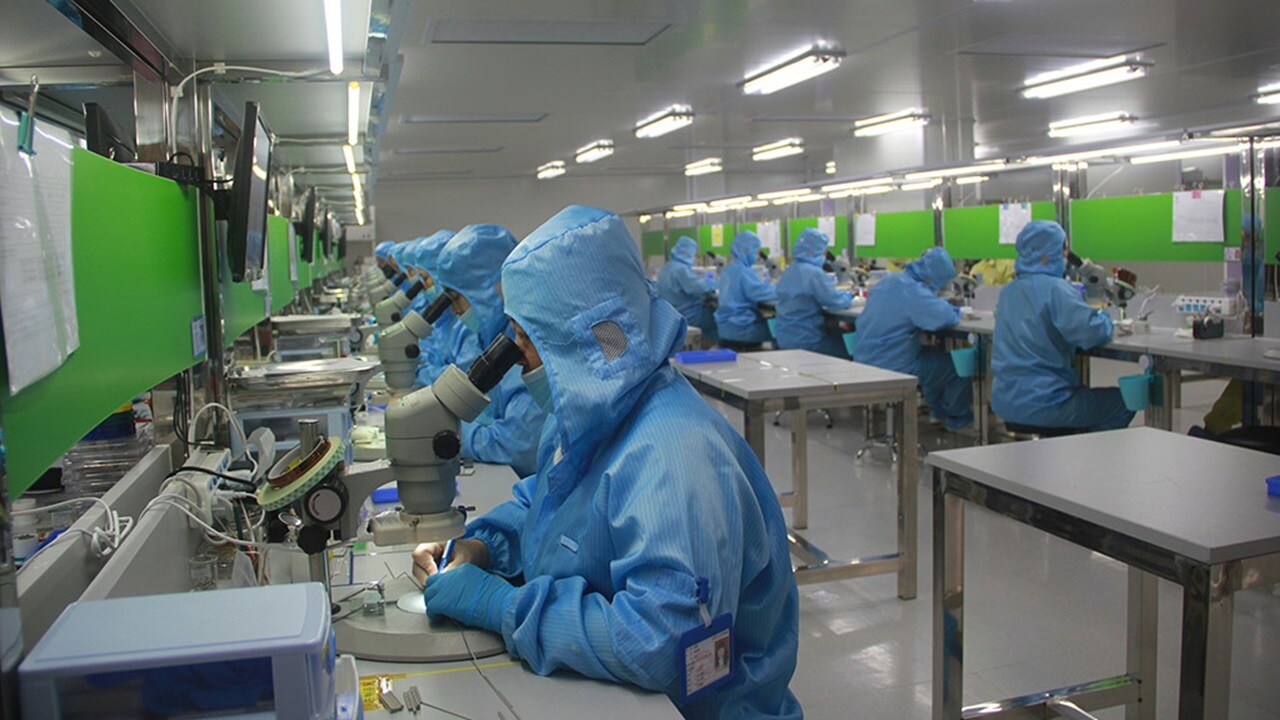
Time and quality control are key for pharma supply chains given the particularity of their cargo, but what role does visibility play? What exactly does visibility mean for pharma supply chains? In this research piece, see how better data can help visibility and what the future holds.
Medical professionals in safety suits working in a pharmaceutical laboratory

The ever-evolving cold chain needs of the pharma industry

Healthcare expenditure in the European Union is projected to surge to a staggering 350% by 2050. This seismic shift is reshaping the pharmaceutical landscape, propelling global cold chain investments to an anticipated 21.3 billion USD. But how are companies adapting? Join us as we uncover the transformative impact of market innovations on pharmaceutical logistics, guided by insights from Gaëtan Van Exem, Global Vertical Head of Pharma and Healthcare. 

How a global pharma company reduced their GHG emissions 
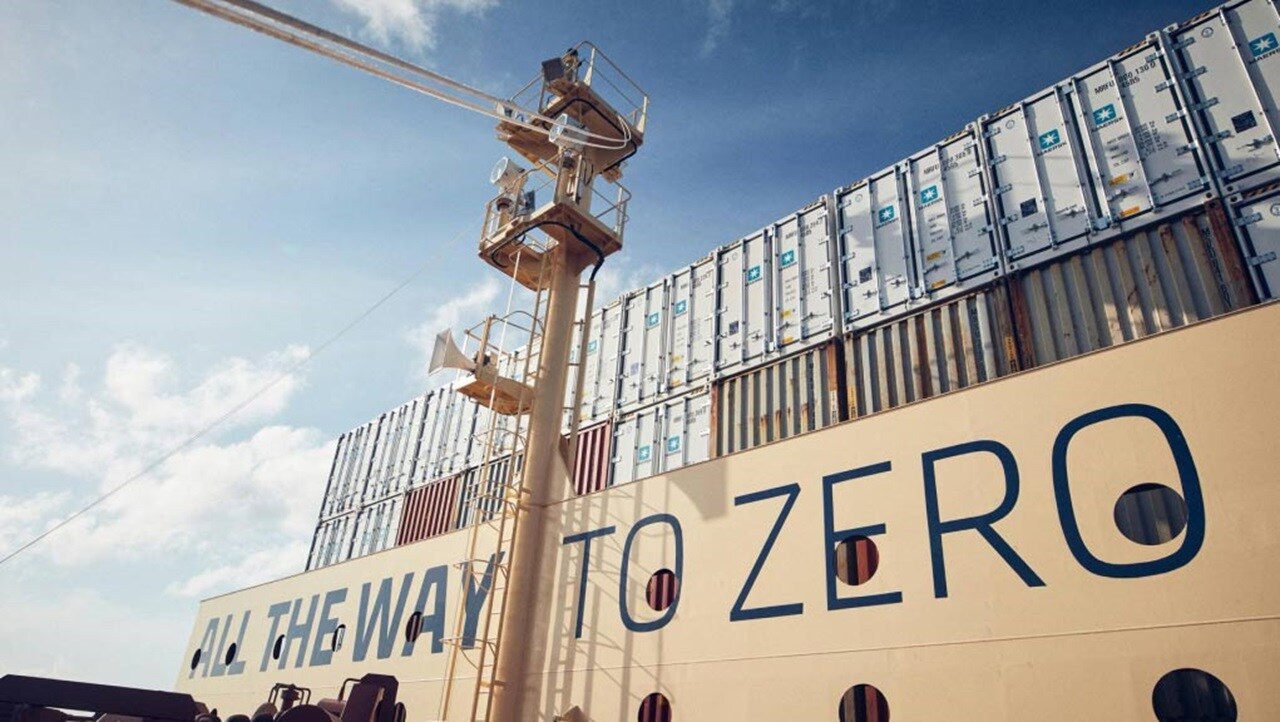
By choosing Maersk ECO Delivery Ocean, this pharma company was able to get closer to their decarbonisation goals while still delivering essential care all around the world. 
Maersk ship

Transforming pharma supply chains for the future 
Read our latest article by Gaetan Van Exem, Global Vertical Head, Pharma and Healthcare Cold Chain Vertical which explains the vital role of trusted partnerships and truly integrated logistics in building reliable and resilient pharma cold chain solutions. 
Ship yard

The great Indian pharma story

India is a global pharmaceutical powerhouse, on course to being a $450 billion industry by 2047. The country contributes to over 20% of the world's drug supply chain and manufactures over 60% of the global demand for vaccines. What makes the pharma industry tick in India? How are the latest innovations in technology changing the face of how the sector is run and the medicines transported? What supply chain challenges does it encounter?
Read our article for a comprehensive understanding of the latest developments and challenges in the Indian pharma industry.

Verwalten, verbinden, vereinfachen

Die weltweit führenden Pharma- und Healthcare-Unternehmen verlassen sich auf Maersk, damit Produkte überall auf der Welt sicher ankommen. Mit unserem fundierten Fachwissen, der Einhaltung der GDP-Richtlinien, durchgängigen Kühlkettenlösungen, hochmoderner Ausrüstung und unserem langjährigen Engagement für Nachhaltigkeit sind wir Ihr Partner in der pharmazeutischen Logistik. In unserer Infografik können Sie die Supply Chain der Pharmaindustrie verfolgen und sehen, wie wir dabei von A bis Z unsere Kompetenz einbringen.
Infografik

Neue Wege bei der Vernetzung von Supply Chains für Pharma- und Healthcare-Produkte

Wenn wir in zwanzig Jahren auf die Entwicklung der globalen Lieferketten zurückblicken, werden sich zwei sehr unterschiedliche Zeiträume scharf voneinander abgrenzen – vor COVID-19 und nach COVID-19. Es kam natürlich auch früher schon zu Pandemien – jedoch nicht in unserer modernen, globalisierten Welt, in der grenzüberschreitender Handel für 50 % des BIP steht. Noch nie gab es eine Supply Chain mit so vielen bewegten Teilen in so vielen Ländern und mit so vielen beteiligten Akteuren. Und diese Supply Chain war noch nie so unter Druck wie in letzter Zeit, sieht man einmal von den theoretischen Übungen oder Katastrophenplänen von Fachleuten und Risikomanagern ab.

In Bereichen wie der Pharma- und Healthcare-Branche müssen Profis den Spagat zwischen notwendiger Reaktionsfreudigkeit und der Gestaltung einer zuverlässigeren, transparenteren und intelligenteren Zukunft für ihre Supply Chains meistern. Um Veränderungen herbeizuführen, müssen diese Unternehmen die gesamte Kette bewerten - von der Herstellung über die Lieferung, den Zoll, die Lagerung bis hin zum Endkunden.

In diesem eBook bewerten wir die aktuellsten Innovationen und Entwicklungen und werfen einen Blick in die Zukunft der Pharma- und Healthcare-Logistik insgesamt. Wir beleuchten einige der wichtigsten Bereiche, in denen Maersk durch Weiterentwicklungen bei Prozessen, Technologie und Zusammenarbeit durchgängige Innovationen antreibt.

Neue Wege bei der Vernetzung von Supply Chains für Pharma- und Healthcare-Produkte

Re-evaluating the modal mix for pharmaceutical supply chains

Transporting the most fragile, high-value, regulated cargo in the world is complex. Even more so when you need to roll out billions of doses of a vaccine across continents to every person on the planet. Add to that the pressures of running a supply chain focused on reducing greenhouse gas (GHG) emissions, and pharma companies could find themselves in a dilemma. Unless they add a healthy dose of shipping to their modal mix. It’s reliable, makes essential products accessible to patients around the globe, and emits less GHG emissions than most other modes of transportation, such as air transportation.
Re-evaluating the modal mix for pharmaceutical supply chains