
 LinkedIn
 Facebook
 X.com
X.com
 WeChat
 Email
Email

Topic of the Month: Trade Outlook for Latin America: What to Watch This Semester
The second half of the year marks one of the most demanding periods for supply chains in Latin America. What may initially appear as a seasonal increase in volume quickly evolves into a more complex scenario, shaped by overlapping operational peaks, shifting demand patterns, and external disruptions that undermine predictability.
As the months progress, logistics operations shift from planning and volume forecasting to a period defined by execution under pressure. Capacity tightens, transit times become more volatile, and margins for error narrow. At the same time, infrastructure constraints and the growing impact of extreme weather add further strain to an already complex environment.
Rather than a linear peak, this period represents a convergence of forces that tests supply chain resilience end-to-end. Understanding how these dynamics interact is critical to maintaining efficiency, managing risk, and sustaining consistent service levels under increasingly uncertain conditions.
Preparing for Peak Demand: Changing Shipment Patterns
In the months leading up to peak consumption periods, companies across Latin America begin building inventory in anticipation of year-end demand. This results in a noticeable shift in shipment patterns, particularly along Asia–Latin America trade routes, as businesses position goods earlier to ensure availability ahead of key commercial events such as Black Friday and the holiday season.
This shift is increasingly influenced by the rapid expansion of e-commerce across the region. Major promotional events concentrate demand into shorter timeframes, requiring faster inventory positioning and more precise planning. In markets like Brazil, for example, online sales during Black Friday have been observed to surge significantly, reflecting how consumer behavior is reshaping supply chain dynamics and accelerating decision-making cycles.
At the same time, shipment frontloading ahead of the Chinese New Year adds another layer of complexity. As production in Asia slows or pauses during the holiday period, companies advance shipments in the preceding weeks to avoid disruptions. This compresses activity into a narrower window and reinforces the need for earlier planning and tighter coordination across supply chains.
Together, these dynamics, seasonal demand cycles, evolving consumer behavior, and pre-holiday shipment acceleration, are redefining how companies approach the second half of the year. Rather than a gradual ramp-up, this period is now characterized by shifting timelines and greater synchronization requirements across sourcing, inventory, and distribution.
Weather Conditions and Potential Operational Disruptions
Alongside shifting demand patterns, weather conditions play an increasingly important role in shaping supply chain performance across Latin America during the second half of the year. Seasonal weather cycles, particularly heavy rainfall, storms, and hurricane activity, introduce additional variability into logistics operations at a time when consistency becomes critical.

Between August and October, hurricane activity peaks in the Caribbean and Gulf of Mexico, which can create potential disruptions to regional connectivity and logistics flows. These events may lead to temporary delays, route adjustments, or changes in scheduling across interconnected trade corridors. At the same time, heavy rainfall across parts of Central and South America can impact inland transportation networks, influencing road conditions and the movement of goods to and from key gateways.
While these weather patterns are seasonal and broadly anticipated, their intensity and timing can vary significantly from year to year. This variability makes it more difficult to anticipate how and when disruptions may occur, introducing an additional layer of complexity into supply chain planning.
In this context, weather conditions act as a recurring source of uncertainty. Rather than isolated events, they represent potential operational disruptions that require continuous monitoring and the ability to adjust plans as conditions evolve. As a result, flexibility and adaptability become critical to maintaining consistent service levels throughout the period.
Navigating Peak Complexity with the Right Partner
As supply chains become more complex and increasingly exposed to variability during peak periods, coordination and visibility across regions become critical. The second half of the year is not only defined by higher activity, but by the need to synchronize operations across origin, transit, and destination — often within compressed timelines.
In this context, working with the right logistics partner becomes a key enabler for effective execution. An integrated approach — one that connects operations across different regions and transport modes — allows companies to better understand demand patterns, anticipate peak periods, and align supply chain decisions accordingly. By linking upstream and downstream activities across ocean, air, and inland transportation, businesses are better positioned to anticipate disruptions, respond to shifting conditions, and maintain continuity across their operations.

This global-to-local perspective is particularly relevant for Latin America, where supply chains often depend on international sourcing while navigating regional infrastructure constraints and operational variability. Having visibility into both ends of the supply chain, combined with the flexibility to leverage different transport modes, helps bridge this gap, enabling more informed planning and stronger coordination between inventory positioning, warehousing, and distribution.
During peak season, this level of integration can provide several advantages:
- Improved demand anticipation: Greater visibility into global supply chain activity supports earlier identification of demand shifts and more proactive planning
- Better synchronization across operations: Aligning sourcing, inventory, and distribution reduces timing gaps and operational friction
- Multimodal flexibility: The ability to combine different transport modes enables more agile responses to changing conditions and operational constraints
- Increased adaptability: A connected network supports faster adjustments to demand fluctuations or external disruptions
- Enhanced operational consistency: End-to-end visibility helps maintain more stable execution despite higher complexity
- Stronger decision-making: Access to integrated data across regions and transport flows enables more informed and timely actions
Rather than managing each stage of the supply chain in isolation, peak season requires a more coordinated and integrated approach. In this environment, collaboration with a logistics partner that brings together global visibility, multimodal capabilities, and local execution becomes a key factor in navigating complexity and maintaining consistent performance.
The second half of the year in Latin America is defined not by a single peak, but by the convergence of multiple demand cycles, external disruptions, and execution challenges across the supply chain. From shifting shipment patterns and concentrated demand windows to weather-related variability and increasing pressure on distribution networks, companies face a more complex and less predictable operating environment.
In this context, success depends on the ability to anticipate changes, maintain visibility across operations, and execute with agility under tighter timelines. As supply chains continue to evolve, a more integrated and coordinated approach — supported by the right logistics partner — becomes essential to navigating complexity and sustaining consistent performance throughout the period.
Ocean updates
| Trade lane | Comments |
|---|---|
|
Trade lane
North America and Intra-America to East Coast of South America
|
Comments
TANGO: Norfolk will remain being served via Cartagena. UCLA: |
|
Trade lane
East Coast of South America to Intra-Americas
|
Comments
TANGO: ECSA Shuttle: UCLA: |
Main port status
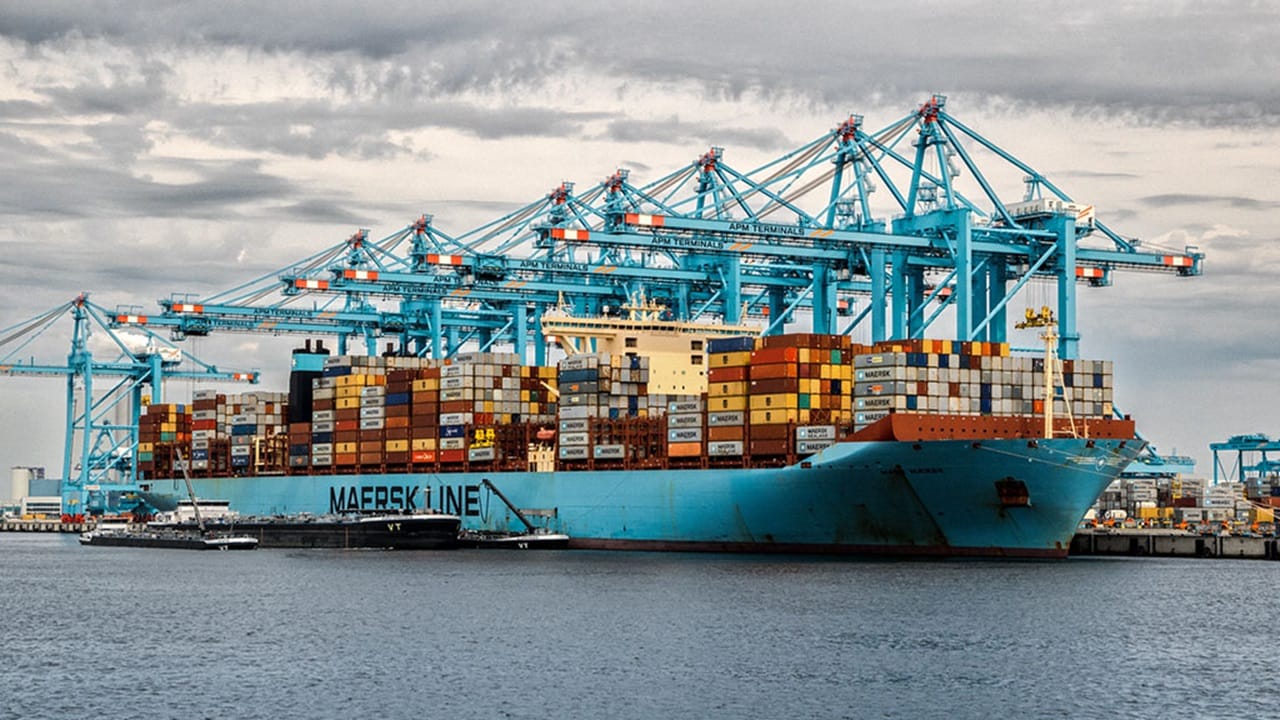
Central America, Andina and the Caribbean Sea Area: Operations remain stable throughout June, with key ports such as Cartagena, Puerto Moín, Puerto Barrios, Altamira, Manzanillo Panama and Freeport Bahamas operating under normal conditions. Vessel activity continues at a steady pace, supported by frequent services and consistent feeder connections across the region. Yard occupancy and berth productivity remain within manageable levels, with most delays limited to less than two days. While isolated cases of longer waiting times have been observed, these are not systemic and have minimal impact on overall network performance. Cargo flows remain steady, supported by reliable transit times and regular port rotations.
East Coast South America Area: Port operations across ECSA remain generally stable throughout June, with key gateways such as Santos, Paranaguá, Itapoá, Buenos Aires, and Montevideo operating within expected service windows and vessel lineups largely under control.
Weather conditions remain the main operational variable in the short term, particularly in Southern Brazil and the River Plate region, where periods of strong winds, fog, swell, and low water levels may occasionally impact vessel maneuvers and berth schedules. Nevertheless, overall service reliability remains stable, and cargo flows continue to move in line with planned schedules.
Some terminals continue to experience localized yard pressure driven by seasonal cargo volumes, which may result in occasional delays for specific vessel calls. However, mitigation measures remain in place and no major disruptions are currently anticipated. Periodic labor actions reported at certain terminals have had limited operational impact to date, and vessel operations continue to be closely monitored to ensure service continuity.
West Coast South America Area: Operations remain consistent across the West Coast of South America, with key ports such as Callao, Guayaquil, San Antonio and Valparaíso maintaining normal operating conditions. High vessel activity continues, supported by strong connections to transpacific and regional services.
While most port calls show minimal delays (generally below two days), localized congestion persists in certain corridors, particularly in connections linked to US West Coast hubs. These result in occasional increases in vessel waiting times; however, such instances remain isolated and do not indicate widespread disruption. Overall, cargo flows remain stable, ensuring continuity for both dry and refrigerated segments.
Landside
Central America, Andina and the Caribbean Sea Area
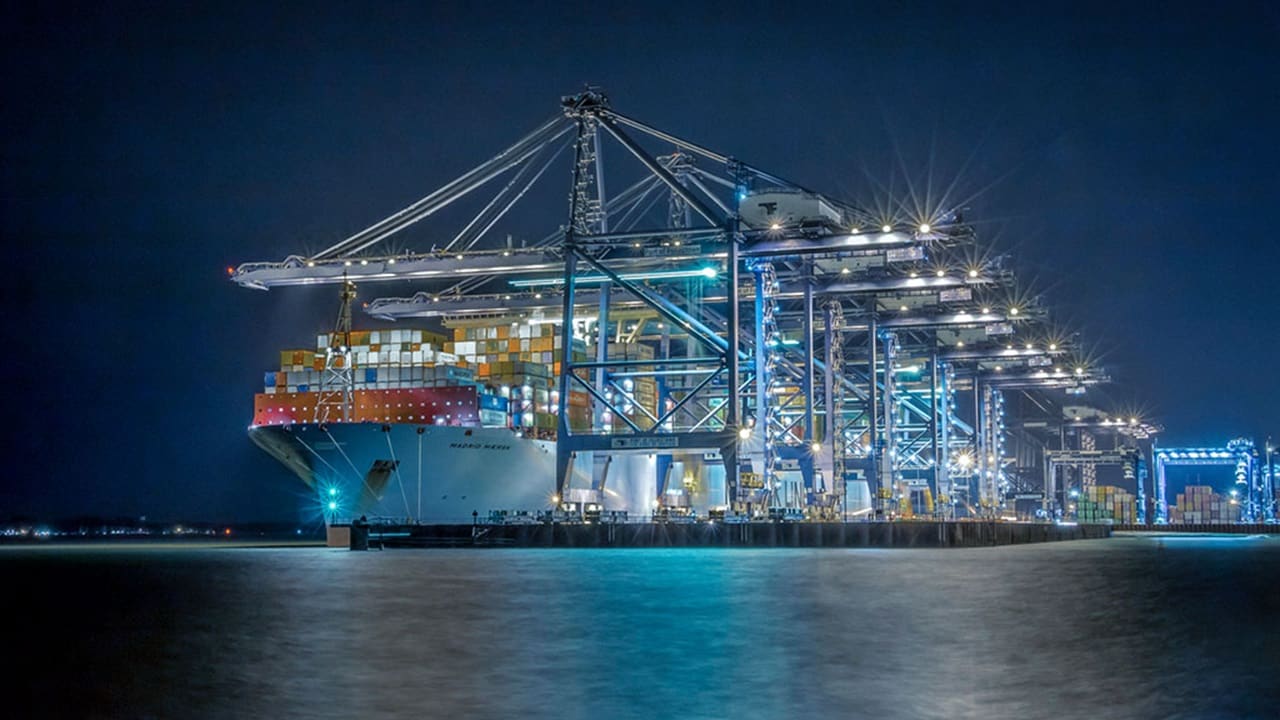
The Dominican Republic enters mid‑2026 with strong economic momentum, with GDP growth projected around 4.5%–4.8%. Export performance is expected to remain resilient and growing, supported by: Nearshoring and free-zone manufacturing expansion. The inland transportation segment in the Dominican Republic continued to show steady demand in export-driven verticals (reefer, manufacturing, medical devices and FMCG), supported by stable port volumes and ongoing nearshoring trends.
Highlights
Brazil & Latin America 2026: Redefining the Rules of Trade
Global trade in Latin America is entering a new phase, driven by geopolitical shifts, tighter regulations, and increasingly integrated supply chains. Explore the key trends reshaping trade in 2026 and what they mean for your business.
Learn more from the global Maersk team
Learn what’s happening in our regions by reading our Market Updates by region.
Europe
North America
Asia Pacific
Be sure to visit our “Insights” pages where we explore the latest trends in supply chain digitalisation, sustainability, growth, resilience, and integrated logistics.


