 LinkedIn
 Facebook
 X.com
X.com
 WeChat
 Email
Email
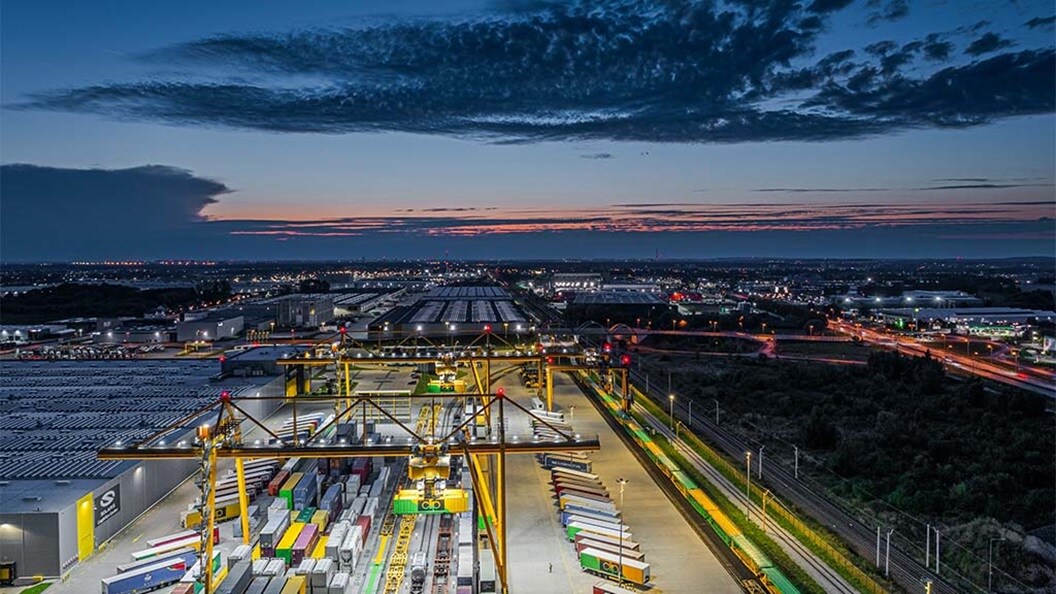
Moving cargo today often means using several types of transportation, like rail, road, and barge, and combinations of it, to get goods from origin to destination. Recent challenges such as geopolitical events and global tariffs have made this process even more complex. That’s why many businesses now rely on integrated logistics partners who can coordinate every step using an “intermodal – multi carrier” approach. In this article, “Intermodal – Multi Carrier” means moving containerised cargo across land using whichever mix of transport modes works best for each shipment, regardless of which ocean shipping company was used. This flexible, ocean-carrier-neutral model helps businesses stay agile in a changing global market.
Intermodal - Multi Carrier logistics continues its rapid evolution in 2026. Market dynamics, customer expectations, regulation, technology, and network capacity are reshaping how logistics providers design, price, and operate multi carrier inland products. The result: logistics models that are more integrated, transparent, and resilient than ever.
Below are six trends to help you stay ready in 2026:
1. Technology and digitalisation
Digital transformation is the defining trend for Intermodal - Multi Carrier logistics in 2026. According to a survey of 570 global logistics decision makers for The Logistics Trend Map, 68% said that digital transformation in logistics is relevant to their company, making it one of the top industry trends today. According to Statista, spending on digital transformation is estimated at 2.5 trillion USD in 2024 and projected to reach 3.9 trillion USD by 2027.
Forward leaning integrated logistics providers are consolidating fragmented workflows into unified order handling platforms that connect booking, execution, documentation, and financials across carriers and transport modes. These platforms reduce manual touchpoints, limit error rates, and create end to end visibility for customers and internal teams.
Artificial intelligence is now central to logistics operations. For example, AI-powered predictive analytics can forecast demand spikes or weather disruptions, allowing companies to plan ahead—like booking extra trucks if a rail line is expected to be delayed. These tools analyse data such as traffic patterns, carrier schedules, and past delays to recommend the best routes and resources. As a result, businesses can make quicker, more cost-effective decisions and provide more reliable delivery timelines. As AI models ingest more multimodal data, including schedules, traffic, historical delay patterns, and accessorial trends, the quality of recommendations improves, enabling faster, lower cost decisions and tighter service reliability.
The bottom line: technology is transforming Intermodal - Multi Carrier logistics.
2. Decarbonisation
Decarbonisation is increasingly becoming a baseline expectation in logistics. Customers are seeking transport solutions with lower greenhouse gas (GHG) emissions compared to conventional fossil fuel-based options. Recent Gartner research shows that 83% of business leaders see initiatives focused on reducing GHG emissions as a way to create short and long term value to help their organisations recover from disruptions.
Intermodal - Multi Carrier providers are incorporating modes such as rail and barge where feasible, optimising equipment utilisation, and investing in GHG emissions visibility tools. The focus is on practical steps towards decarbonisation, including route designs that reduce empty mileage, modal choices that lower GHG emissions per tonne kilometre, and the use of standardised methodologies for calculating GHG emissions data, such as GLEC and ISO 14083.
For example, logistics providers now use digital tools to combine shipments from different customers, making sure trucks and trains are always full. They also look for ways to fill vehicles on their return trips, known as “backhauls”, so trucks don’t travel empty. These strategies cut down on unnecessary trips, potentially lowering costs and related GHG emissions.
By partnering with a logistics provider that aims to support decarbonisation through practical solutions, businesses could advance their logistics decarbonisation journey in 2026.
3. Regulation and policy
In 2026, government rules and global politics will play a large role in how Intermodal - Multi Carrier logistics work. New regulations may affect everything from the types of trucks allowed to the way GHG emissions are tracked. For example, the EU’s Carbon Border Adjustment Mechanism (CBAM) will require detailed GHG emissions reporting for goods entering Europe. Failing to comply with these rules can mean heavy fines or even losing access to key markets. That’s why it’s important for businesses to stay updated and work with logistics partners who can help navigate these changes.
Trade agreements and customs policies can shape routing and demand, while cross-border security protocols may introduce procedural requirements that affect transit times and documentation processes. By partnering with a customs team equipped with tools and expertise to help customers identify compliance risks and stay ahead of these developments, businesses will be able to minimise disruptions.
4. Visibility and reliability
The post pandemic landscape is more stable, yet uncertainty persists. Given this, businesses prioritise transparent, end to end services that minimise complexity. In 2026, the best Intermodal - Multi Carrier products will articulate clear value propositions: simplified inland execution across carriers, reliable service backed by standardised operating procedures, and perhaps most important: embedded visibility. In fact, supply chain visibility was ranked as the top trend by 86% of industry respondents in The Logistics Trend Map.
Businesses face information overload, creating confusion and costly inefficiencies. Having lots of data isn’t enough—what matters is using it to make better decisions. For instance, a real-time tracking system can alert if a shipment is delayed at a rail terminal, so it can quickly be switched to a road carrier if needed. By working with a provider that offers clear, actionable updates across all carriers and transport modes, businesses can respond faster to problems and keep their supply chains running smoothly.
5. Infrastructure and network developments
Physical infrastructure, such as ports, railways, road networks, and depots, forms the backbone of Intermodal - Multi Carrier transport. In 2026, new and evolving trade corridors are changing the calculus of routing and modal mix. Volumes continue to diversify across alternatives as companies hedge against disruptions, border closures, and bottlenecks. Demand is rising for connections through Central Asia and expanded rail road combinations linking Southeast Asia, China, and Europe, reflecting a broader push for resilience and increased options.
As this article demonstrates, the direction of travel in Europe is expanding with more investments into infrastructure. However, building a new rail line or highway doesn’t automatically make supply chains more reliable—especially while construction is still underway, which can cause temporary delays. Plus, even with new infrastructure, differences in booking systems, regulations, and border procedures from country to country can still create bottlenecks. That’s why choosing a logistics partner with experience across multiple regions and modes is key to avoiding disruptions.
6. Operational excellence and innovation
To capitalise on these trends, operational discipline is essential. In 2026, logistics providers are doubling down on process automation (especially for booking, documentation, and exception handling), to reduce cycle times and manual rework. The goal is to push routine tasks into systems and elevate human attention to true exceptions.
Managing all the paperwork and digital records for each shipment, such as invoices, receipts, and extra charges, has often made it hard to track true costs. Now, integrated logistics platforms give teams a clear view of every expense for each order, helping them quickly identify where money is lost and take steps to fix the problem.
Conclusion
Intermodal - Multi Carrier logistics in 2026 is characterised by digital integration, decarbonisation becoming a baseline customer expectation, customer centric product design, evolving regulatory demands, strategic use of global corridors, and relentless operational excellence. Technology, especially unified platforms and AI, delivers the ability to run inland transport efficiently across carriers, with superior visibility and cost control. Growth hinges on clear value propositions, segment specific adaptations, and disciplined go to market execution. Infrastructure investments and diversified corridors expand resilience, while automation and file management tie reliability directly to profitability.
By focusing on these areas, businesses can build supply chains that are more resilient in the year ahead.
Be ready for logistics trends in 2026 to go all the way! Discover more with Maersk Logistics Insights, and learn more about Intermodal - Multi Carrier services at Maersk.